
Crown imperial
Fritillaria imperialis L.
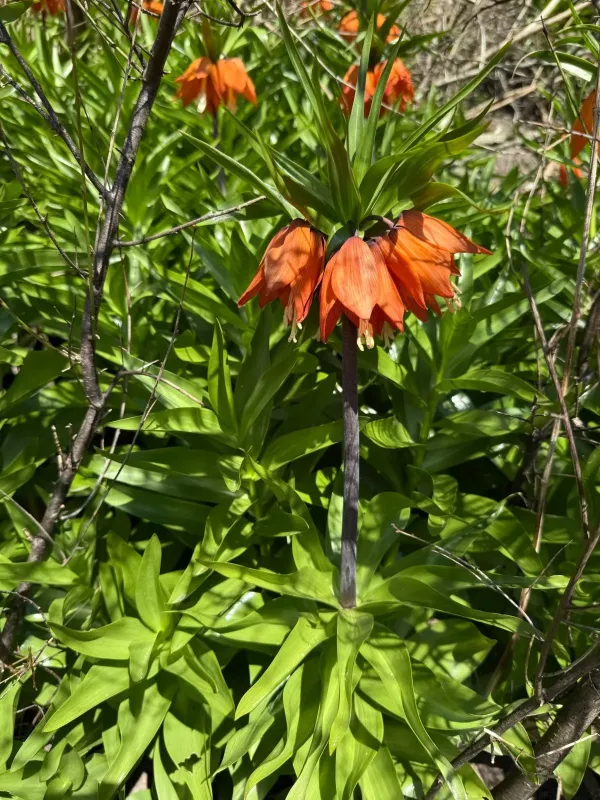
Description
Sowing dates
Crown imperial (Fritillaria imperialis L.) is a bulbous perennial belonging to the Liliaceae family. It is native to a broad range stretching from the Himalayan foothills to Iran and Afghanistan.
The ideal time for planting is late August to September. Early autumn planting is essential to allow the root system to establish itself before the ground freezes.
Plant the bulbs at a depth of 20–25 centimeters depending on the size of the bulb. Spacing should be approximately 30–40 centimeters apart for optimal development.
Good drainage is vital. Place a layer of coarse sand at the bottom of the planting hole to prevent water from accumulating around the bulb and causing decay.
In colder regions, apply a layer of mulch such as peat or dry leaves to insulate the soil and protect the emerging shoots from early spring frost.
Growing requirements
Crown imperial thrives in sunny locations. While it can tolerate partial shade, full sun is required to ensure strong stems and vibrant flowering.
The soil should be fertile, loose, and well-drained. The plant performs best in nutrient-rich loams with a neutral pH balance.
Regular watering is necessary during the active growth phase, but the soil must never remain waterlogged. Excess moisture is a common cause of fungal issues.
Apply balanced fertilizers at the start of the growing season to support foliage development and provide potassium-rich inputs during the budding stage.
It is recommended to divide the bulb clumps every 3 to 4 years to prevent overcrowding and maintain the size and health of the flowers.
Main diseases and pests
Fusarium rot is a significant disease affecting the basal plate of the bulb. It is often triggered by excessive moisture and poor air circulation in the soil.
Botrytis or grey mold may occur in wet, cool springs. It causes brown spots on leaves and can quickly lead to the collapse of the entire stem.
The lily beetle is the most destructive pest. It feeds on all parts of the plant, often leading to total defoliation if not controlled early in the season.
Soil-dwelling pests like wireworms can damage the bulbs, creating entry points for secondary infections. Use appropriate soil insecticides if infestations are present.
Integrated pest management, including pre-planting bulb treatment and cleaning up plant debris, is crucial for maintaining a healthy plantation.
Harvesting
Harvesting the bulbs should be done once the foliage turns yellow and dies back, typically in late June or early July.
Use a garden fork to carefully lift the bulbs from the soil. Be extremely gentle, as the scales are brittle and can be easily bruised.
Clean the bulbs by gently brushing off the soil and inspecting them for signs of damage or decay. Discard any bulbs that show clear symptoms of disease.
Cure the bulbs in a well-ventilated, shaded, and dry area. The temperature should be warm enough to promote healing of any minor mechanical cuts.
Store the bulbs in boxes with dry peat or sawdust in a cool, dark place until the next planting season to ensure they remain in a dormant state.