
Persian lily
Fritillaria persica L.
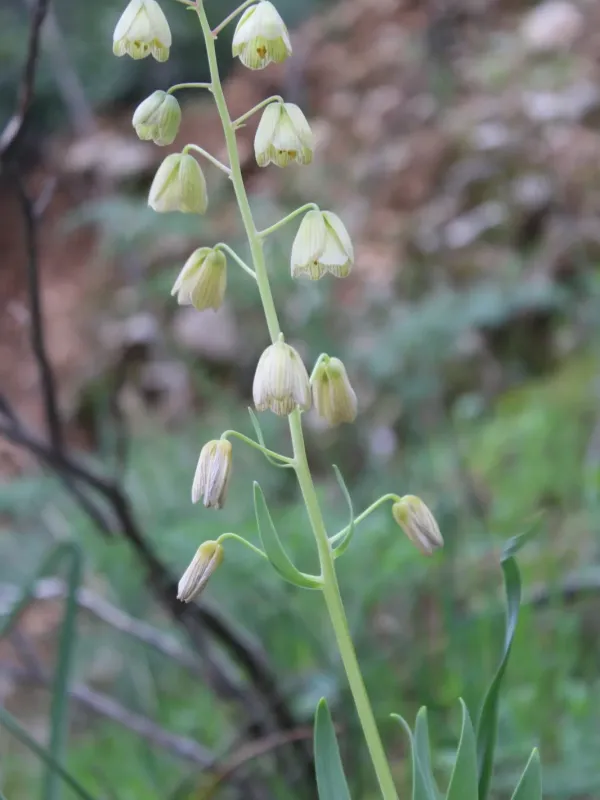
Description
Sowing dates
The Persian lily is a bulbous perennial belonging to the Liliaceae family. Planting in open ground is typically carried out during the autumn months when soil temperatures at a depth of 10–15 cm drop to around 10–12 degrees Celsius.
The optimal planting window varies by climate, but generally occurs between September and late October. Early planting allows the bulb to establish a robust root system before the onset of hard winter frosts.
Bulbs should be planted at a depth equivalent to three times their diameter. Maintaining a spacing of 20 to 30 cm between bulbs is essential to provide adequate nutrients and prevent overcrowding within the planting bed.
Spring planting is possible but often results in delayed development or failure to flower in the first year. Therefore, autumn is considered the superior timeframe for planting this species to ensure a healthy growth cycle.
Choose a sunny location with protection from harsh winds to prevent the tall flower spikes from bending or breaking during the active growing phase.
Growing requirements
This crop thrives in fertile, well-drained soil with a neutral to slightly alkaline pH. Proper soil structure is vital to prevent waterlogging, which is a major cause of bulb failure in this species.
Originating from Western Asia, specifically regions like Turkey and Iran, the plant is adapted to a Mediterranean-like climate. It requires a distinct cycle of wet, active growth followed by a dry summer dormancy.
Watering should be consistent throughout the spring as the flower spikes emerge and bloom. Once the foliage begins to yellow and fade, irrigation must be ceased to allow the bulb to enter its natural dormant state.
Apply balanced mineral fertilizers at the start of the growth period. Avoid excessive nitrogen applications, which can lead to weak stems and increased susceptibility to fungal diseases in the sensitive bulb tissue.
The plant is highly valued for its striking dark purple or greenish-brown, bell-shaped flowers arranged in a tall raceme, making it an excellent candidate for ornamental garden displays.
Main diseases and pests
Fungal pathogens represent the primary threat to the Persian lily, with Fusarium rot and various types of bulb decay being the most common issues arising from poor soil drainage or excessive moisture.
The lily beetle is a significant pest that consumes both foliage and developing buds. Manual removal or the use of approved systemic insecticides is necessary to prevent severe defoliation and flower loss.
Rodents such as voles and mice can cause extensive damage to bulbs buried in the soil. Protecting bulbs with mesh baskets or underground barriers is a recommended practice in gardens prone to wildlife activity.
Disease prevention starts with high-quality, disease-free planting stock. Pre-planting treatments with fungicides help reduce the risk of soil-borne infections during the critical early root-growth phase.
Crop rotation is essential for long-term success. It is highly recommended not to replant Fritillaria in the same location for at least 3 to 4 years to maintain soil health and prevent the buildup of pathogens.