
Fleischer's Fritillary
Fritillaria fleischeriana
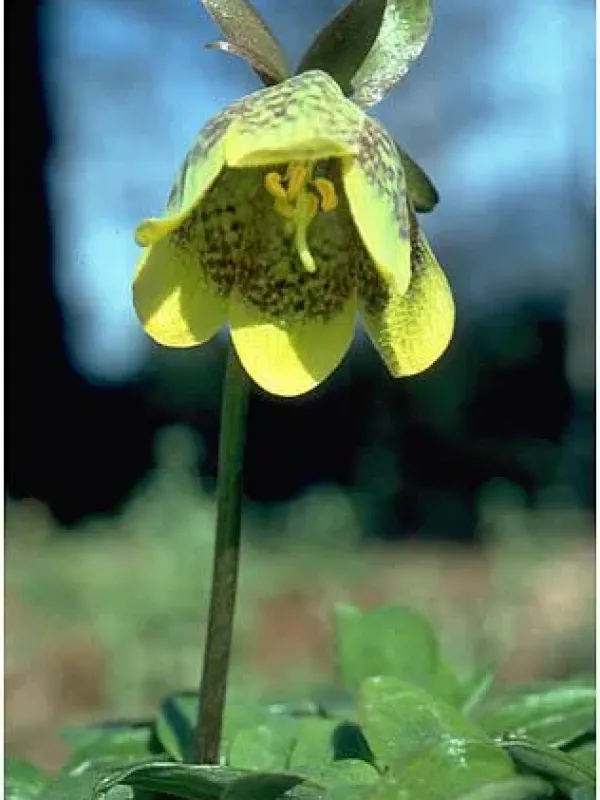
Description
Growing requirements
Fleischer's Fritillary (Fritillaria fleischeriana) is a bulbous perennial belonging to the Liliaceae family. It is a highly valued species among collectors for its distinct botanical features and unique spring blooming habit.
The species originates from the mountainous regions of Turkey, where it thrives in rocky, well-draining habitats. Understanding its natural environment is essential for successful cultivation in garden settings.
The soil requirements for this culture are specific: it necessitates loose, well-drained soil with a neutral to slightly alkaline pH. Proper aeration of the growing medium is critical to prevent the bulb from rotting during the dormant phase.
In terms of light exposure, the plant performs best in sunny locations that provide some protection from the intense midday heat. Providing the right microclimate is a key factor in ensuring consistent annual blooming.
Agrotechnical care focuses heavily on the dormant season. Once the foliage begins to wither, it is crucial to keep the bulb relatively dry, simulating the dry summer conditions of its natural highland habitat.
Main diseases and pests
Fungal infections, such as gray mold (Botrytis), pose the primary threat to the bulbs, especially when grown in heavy, waterlogged soils. Ensuring excellent drainage is the best proactive measure against these pathogens.
The lily beetle is a significant pest that can quickly defoliate the plants during the spring growth cycle. Hand-picking or targeted insecticide applications are effective methods to manage populations before they cause damage.
Rodents represent a major hazard for underground bulbs, often causing extensive damage throughout the dormant season. Protecting bulbs with wire mesh baskets is a standard practice for many professional gardeners.
Viral diseases often manifest as yellow mottling or stunted growth, requiring immediate quarantine or removal of the affected plants to prevent spread to healthy specimens.
Preventive maintenance, including balanced fertilization and maintaining appropriate spacing between plants, significantly reduces the likelihood of severe pest or disease outbreaks.