
Fritillaria gibbosa
Fritillaria gibbosa
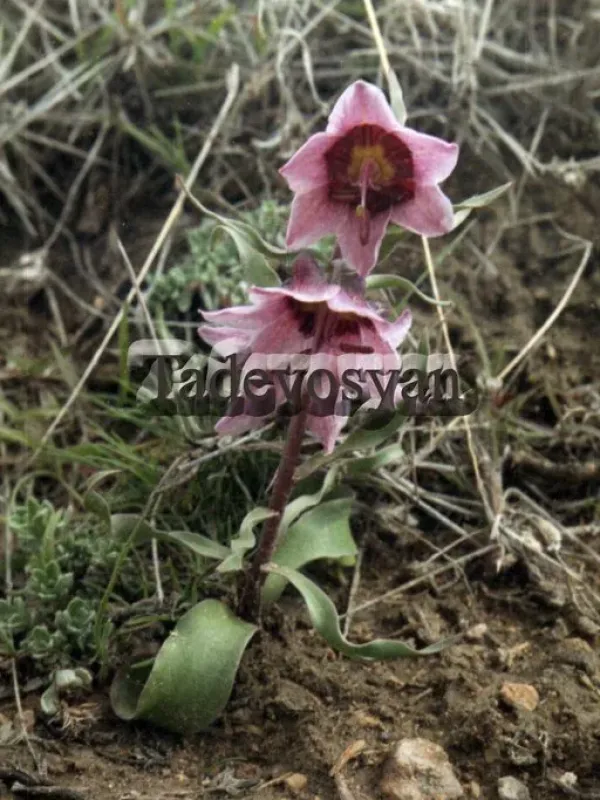
Description
Growing requirements
Fritillaria gibbosa is a member of the Liliaceae family, known for its unique bulbous habit and specialized growth cycle. It is highly regarded among botanical enthusiasts for its distinctive floral morphology.
The native habitat of this plant includes the arid and semi-arid regions of Central and Western Asia, particularly across Iran and neighboring areas. It has evolved to thrive in environments characterized by short, cool, moist springs followed by hot, dry summers.
From a botanical perspective, the plant features a distinct "humped" or gibbous shape in its perianth segments, which serves as a primary diagnostic feature. Its foliage is typically slender and grass-like, allowing for efficient survival in its endemic steppe-like landscapes.
The agronomic success of this crop depends heavily on soil drainage. It requires a substrate that is porous and mineral-rich, preventing water accumulation around the bulb, which is the most frequent cause of pathogen infection and physiological decay.
Regarding climate and site selection, the species demands full exposure to sunlight during its active growing season. Protection from excessive summer rainfall is crucial for the health of the dormant bulb, often necessitating the use of raised beds or cold frames in wetter climates.
Main diseases and pests
The primary threats to Fritillaria gibbosa are fungal diseases related to improper moisture management. Botrytis and various forms of root rot pose a significant risk if the soil remains waterlogged or if air circulation around the foliage is poor.
Pest management should focus on soil-dwelling larvae, such as those of the lily beetle or various soil nematodes, which can severely damage the bulb structure. Periodic inspection of the bulbs during the dormant season is a standard industry practice.