
Fritillaria kurdica
Fritillaria kurdica
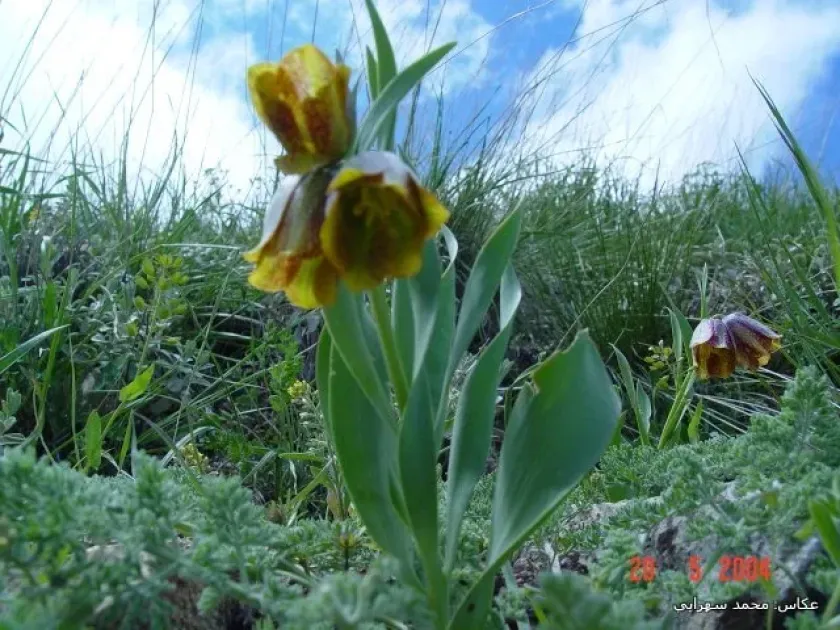
Description
Sowing dates
Fritillaria kurdica is a member of the Liliaceae family that requires specific environmental conditions to thrive. Propagation by seed should be performed in autumn to allow for natural stratification, which is essential for breaking seed dormancy before spring germination.
Vegetative propagation is the most common method, involving the separation of offsets from the parent bulb during the dormant season. Late summer, after the foliage has fully withered, is the ideal time to lift and divide the bulbs for replanting.
The planting depth should generally be three times the height of the bulb to ensure optimal thermal protection and stability. In lighter, sandy soils, planting can be slightly deeper, while in heavier soils, a drainage layer is highly recommended beneath each bulb.
Proper spacing, approximately 15 to 20 centimeters apart, is crucial to maintain air circulation and reduce the risk of disease transmission between plants. High-density planting is generally discouraged unless specific controlled environmental conditions are provided.
Once planted, the bulbs should be left undisturbed for several years to establish a healthy root system. Disturbing the bulbs during the growing season can significantly reduce the potential for successful blooming in subsequent years.
Growing requirements
Originating from mountain slopes, Fritillaria kurdica requires well-drained soil with a high content of mineral matter. It is highly sensitive to waterlogged conditions, which can lead to rapid decay of the bulb and root systems.
The ideal soil pH for this species is neutral to slightly alkaline. Incorporating coarse grit or sharp sand into the planting site is a standard agronomic practice to enhance drainage and mimic the natural rocky habitats of this plant.
The plant prefers full sun to light shade, particularly in high-latitude environments where light intensity is lower. It requires a distinct seasonal cycle, with moist springs for growth and dry summers for the maturation of the bulb.
Temperature management is vital; while the plant is hardy, it requires protection from extreme winter heaving and excessive summer heat. In the peak of summer, the bulbs should remain dry and relatively cool in the soil.
Fertilization should be handled with caution, as high levels of nitrogen can encourage excessive vegetative growth at the expense of floral development. Balanced organic liquid feed during the early spring growth stage is typically sufficient.
Main diseases and pests
Fungal diseases, specifically gray mold (Botrytis), pose a significant threat to Fritillaria kurdica when humidity levels are high. Proper ventilation and avoiding overhead irrigation are critical management strategies for disease prevention.
Fusarium basal rot is another common issue that affects the bulbs, often entering through wounds. Treating bulbs with a broad-spectrum fungicide prior to storage or replanting is a necessary prophylactic measure for professional cultivation.
The lily beetle is the most notorious pest affecting this species, capable of defoliating plants rapidly. Early detection and manual removal are effective, but systemic insecticides may be required in cases of heavy infestation.
Underground pests, such as soil-borne larvae, can damage the root systems and the base of the bulbs. Maintaining soil health through appropriate rotation and the use of physical barriers like wire cages can reduce damage from rodents and soil insects.
General hygiene, including the removal and destruction of infected plant debris, is fundamental to preventing the build-up of pathogens in the garden soil. Regular monitoring is essential throughout the active growing season.