
Fritillaria crassifolia
Fritillaria crassifolia
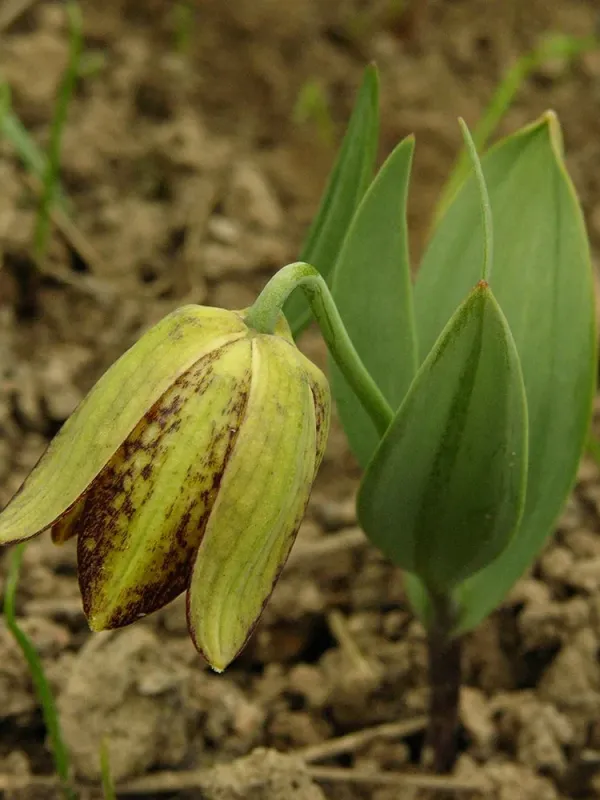
Description
Sowing dates
Fritillaria crassifolia, a member of the Liliaceae family, is propagated primarily through its bulbs. Planting typically takes place in late summer or early autumn, which allows the root system to establish before winter dormancy.
The ideal planting depth is usually around 10–15 centimeters, depending on the bulb size and soil type. Ensuring proper spacing is crucial to prevent competition for nutrients and to maintain adequate airflow around the plant.
When grown in containers, bulbs should be planted in a well-draining substrate during the autumn. This method is often preferred for early forcing or in regions with harsh winter climates where soil drainage is difficult to control.
Dividing the bulb clumps is a necessary maintenance task that should be performed every 3 to 4 years. This practice prevents the bulbs from becoming overcrowded, which can lead to smaller flowers and diminished plant health.
While seed propagation is possible, it is a slow process that requires patience, as the plants can take several years to reach maturity and produce their first blooms.
Growing requirements
Originating from the mountainous regions of Turkey and the Middle East, this species requires specific environmental conditions. It thrives in sunny locations that are well-protected from strong, drying winds.
The soil must be loose, gritty, and possess excellent drainage properties. Fritillaria crassifolia is highly susceptible to rot if the bulbs sit in waterlogged soil for any significant period.
A neutral to slightly acidic pH level, ranging from 6.0 to 7.0, is ideal for the growth and development of this species. Rich, well-amended soil supports the vegetative growth and ensures healthy bulb formation for the following season.
Watering should be managed carefully; it is essential during the active growing season but should be gradually reduced as the foliage begins to wither. During the dormant phase, the soil should be kept relatively dry.
In clay-heavy soils, incorporating a layer of sand or fine gravel at the bottom of the planting hole can significantly improve drainage and prevent the moisture retention that leads to bulb rot.
Main diseases and pests
Fungal pathogens represent the most significant threat, especially in humid conditions. Fusarium rot is particularly dangerous, as it attacks the bulb base and can destroy the entire root system if not addressed.
The lily beetle is a notorious pest that feeds on the leaves and stems of Fritillaria species. Regular monitoring and physical removal are the most effective control measures, though systemic insecticides may be needed for severe infestations.
Bulb mites can cause significant damage while the bulbs are in storage or newly planted. Inspecting bulbs before planting and treating them with suitable fungicides can mitigate the risk of mite damage.
Good cultural practices, such as maintaining proper spacing and ensuring adequate ventilation, are key to preventing the spread of diseases like grey mold, which can thrive in damp conditions.
- Fusarium wilt
- Lily beetle
- Bulb mites
- Grey mold
- Slugs and snails
Harvesting
Bulb harvest occurs after the foliage has naturally yellowed and died back, indicating the plant has entered dormancy. This timing is critical to ensure the bulb has stored enough energy for the next growing cycle.
Once lifted, the bulbs should be carefully cleaned of debris and dried in a shaded, well-ventilated area. Direct sunlight should be avoided to prevent tissue damage and premature drying.
Bulbs should be stored in a cool, dry place with temperatures between 15 and 20 degrees Celsius. Consistent airflow is essential to prevent moisture accumulation and the subsequent development of mold during storage.
Regular inspections during the storage period allow for the removal of any compromised or decaying bulbs before they can affect the rest of the stock. Healthy bulbs must remain firm and free of soft spots.
Treating the bulbs with a broad-spectrum fungicide before replanting provides an extra layer of protection, helping to reduce soil-borne disease pressure and improving overall establishment success.