
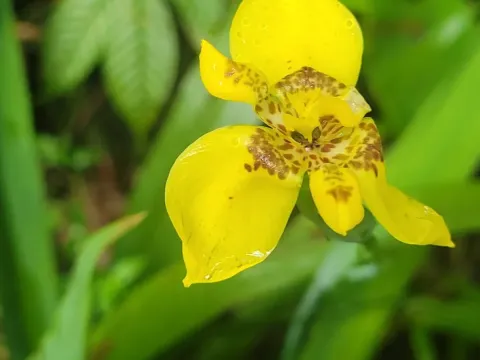
Trimezia
Trimezia
Trimezia is a genus of perennial herbaceous plants belonging to the Iridaceae family. Native to tropical and subtropical regions of the Americas, these plants are primarily found in habitats ranging from southern Mexico to Brazil.
What the section contains


Trimezia
The culture requires well-drained, nutrient-rich soil to thrive. It performs best in a substrate that mimics its natural environment, ensuring it remains consistently moist but never waterlogged to avoid root decay.
In terms of light, Trimezia prefers bright, filtered sunlight. While it can tolerate partial shade, insufficient light often results in poor flowering and leggy growth, which compromises the decorative value of the plant.
Climate management is essential since Trimezia is sensitive to frost. In temperate zones, it is typically cultivated in greenhouses or as a houseplant, requiring a steady warm climate throughout the year to maintain its biological activity.
The plant is highly valued for its horticultural use as an ornamental specimen. Its striking flowers, characterized by unique spots, make it a favorite for collectors and specialized gardens focused on exotic tropical flora.
Diseases affecting Trimezia are usually linked to environmental stress, specifically fungal infections of the roots caused by overwatering. Ensuring proper aeration of the soil is the most effective way to prevent these issues.
Common pests include spider mites and mealybugs, which thrive in low-humidity indoor environments. Regular inspections of the foliage and increasing ambient humidity are recommended to keep the plant healthy and free from infestation.