
Trimezia caerulea
Trimezia caerulea
Description
Growing requirements
Trimezia caerulea is a perennial bulbous plant belonging to the Iridaceae family. Native to the tropical regions of South America, particularly Brazil, this species is typically found in habitats characterized by high moisture and rich, organic soils.
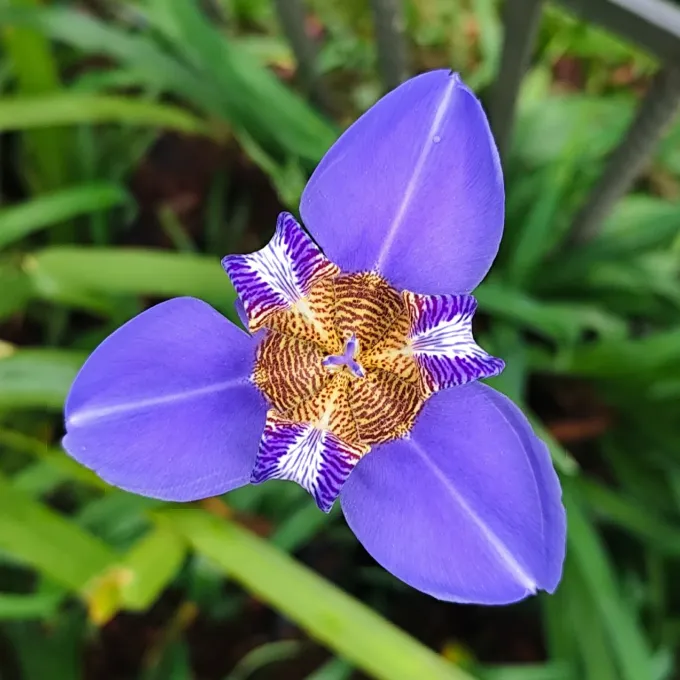
The plant features long, ensiform leaves that emerge from a central bulb, forming an elegant clump. The inflorescences are particularly distinctive, showcasing vibrant blue to deep violet petals that open sequentially, providing a prolonged flowering period under favorable conditions.
Cultivation requirements for this species include well-draining soil with a high content of organic matter. It thrives in soils with a slightly acidic to neutral pH level. Proper aeration of the root zone is crucial, as the bulbs are highly susceptible to root rot if the substrate remains waterlogged.
Climate adaptability is limited to tropical and subtropical environments. The plant requires constant warmth, typically between 20°C and 25°C, and cannot tolerate freezing temperatures. In cooler regions, it is strictly managed as a greenhouse or indoor ornamental plant.
The primary horticultural application of Trimezia caerulea is as an ornamental crop. It is highly valued for interior landscaping and conservatory displays, where its striking blue flowers can serve as a focal point in diverse floral arrangements.
Main diseases and pests
The most common health issues for Trimezia caerulea are related to fungal pathogens, including root and bulb rot caused by excessive soil moisture. Prevention involves the use of porous growing media and strict irrigation management to ensure the bulbs do not remain damp for long periods.
In terms of pests, spider mites and mealybugs can occasionally infest the foliage, especially in dry, enclosed environments. Regular monitoring and the maintenance of adequate atmospheric humidity are recommended to minimize the risk of significant infestations.