
Tuberous iris
Iris tuberosa
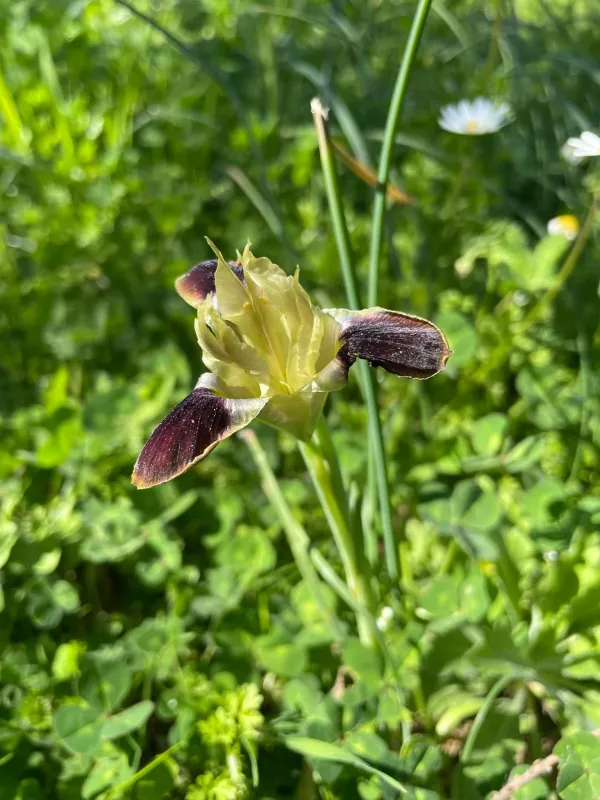
Description
Sowing dates
The planting of Iris tuberosa, often referred to as the snake's head iris, is best performed in the autumn season when the soil is still warm.
Gardeners should aim to plant the tubers from September to October, ensuring the roots have enough time to establish before the onset of winter.
Planting depth should be approximately 7 to 10 centimeters, with a spacing of about 15 centimeters between plants to allow for healthy rhizome expansion.
It is crucial to select a site with excellent drainage, as the tubers are prone to rot if kept in waterlogged conditions during the winter dormancy.
In regions with harsh climates, it is advisable to provide a protective layer of mulch to shield the newly planted tubers from severe soil frost.
Growing requirements
This species, belonging to the Iridaceae family, originates from the Mediterranean and thrives in sunny, sheltered garden positions with mild winters.
The ideal soil composition is gritty, sandy, or stony, which facilitates the rapid drainage necessary to prevent root rot during the dormant summer period.
Iris tuberosa requires a distinct dry summer phase, which is vital for the maturation of the tubers and the successful development of future blooms.
Soil pH should be neutral to slightly alkaline; adding a bit of garden lime can be beneficial if the native soil is naturally too acidic.
Fertilization should be kept to a minimum, focusing on potassium-rich nutrients in early spring to support the development of the unique, iconic flowers.
Main diseases and pests
Bacterial soft rot is the primary threat to the health of the tuber, often triggered by excessive moisture and poor soil aeration during the spring.
Fungal leaf spot diseases can affect the foliage during humid seasons, necessitating the use of appropriate fungicides to maintain plant vigor.
Pests such as iris borers or aphids can damage the plant; regular inspection of the leaves and flower stems is necessary for early intervention.
To prevent disease transmission, gardeners should practice strict sanitation by removing any decaying foliage once it yellows and dies back in late spring.
If rot is detected on the tubers, they must be excavated, cleaned, and treated with fungicide or crushed charcoal before being replanted in fresh soil.