
Tapeinia
Tapeinia
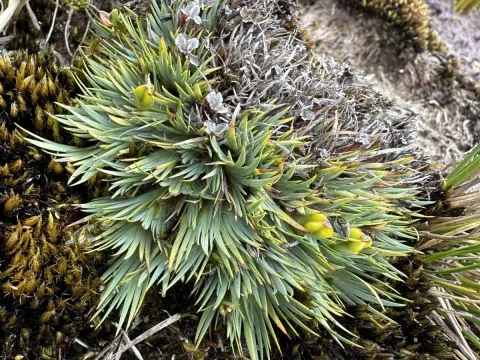
Tapeinia is a genus of perennial herbaceous plants belonging to the Iridaceae family. Native to the southern regions of South America, these plants are well-adapted to cooler temperate climates and are primarily recognized for their distinctive botanical structure and ornamental value.
What the section contains

Tapeinia
The morphology of Tapeinia includes a robust rhizomatous root system and basal rosettes of linear leaves. This structure allows the plant to thrive in its native habitats, which often experience significant seasonal temperature variations and require the plant to enter a dormant state during winter months.
Successful cultivation of Tapeinia necessitates well-draining, nutrient-rich soil that prevents waterlogging. Clay or sandy loam soils are ideal, provided they are amended with organic matter to improve aeration and moisture retention, ensuring the health of the rhizomes throughout the year.
The plant thrives in locations with full to partial sun exposure. Excessive shade can lead to stunted growth and reduced flowering, while exposure to harsh winds may cause damage to the foliage and flower stalks, making site selection crucial for garden health.
Agronomic practices for Tapeinia emphasize consistent moisture management during the active growing season. Watering should be applied deeply but infrequently to encourage strong root development, and care must be taken to taper off watering as the plant approaches its period of dormancy.
Root rot, primarily caused by fungal pathogens such as Pythium or Fusarium, is the most significant threat to the survival of Tapeinia. These issues are almost exclusively associated with improper irrigation practices or poor soil drainage, necessitating careful observation of soil conditions.
Insect pests, including aphids and thrips, can occasionally infest the foliage during warm periods, causing aesthetic damage and weakening the plant. Integrated pest management strategies, such as biological control agents or targeted spraying, are recommended for maintaining the vigor of the crops.