
Trimezia martinicensis
Trimezia martinicensis
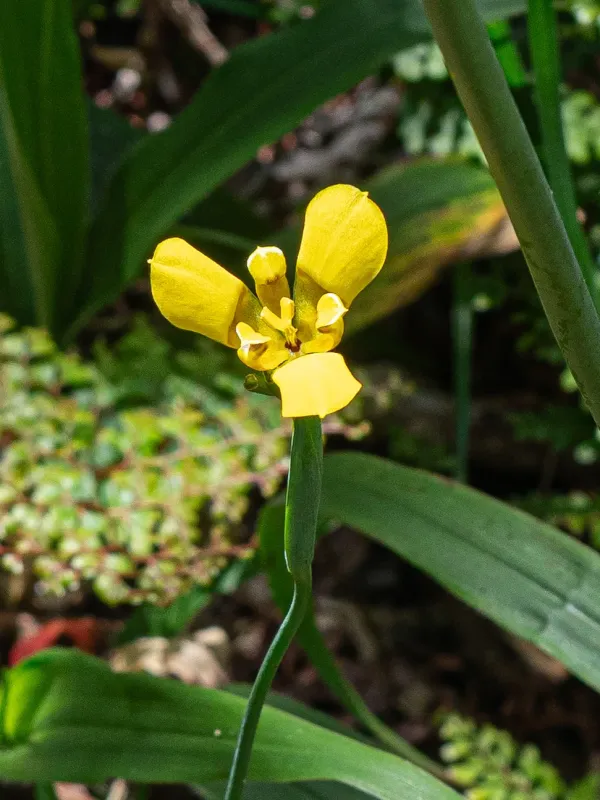
Description
Sowing dates
Sowing of Trimezia martinicensis seeds is best performed in early spring when the soil temperature consistently reaches 18–20 degrees Celsius. Providing a warm environment during the germination stage is essential to ensure high emergence rates for this species.
Vegetative propagation via offsets is the preferred method for maintaining genetic uniformity. These daughter bulbs should be carefully separated during the dormant phase and replanted at a depth of 5–8 centimeters in a well-prepared growing medium.
When sowing, it is critical to use a light, friable substrate mix consisting of peat, perlite, and organic matter to ensure adequate drainage. Proper soil aeration prevents the seeds from rotting before they have a chance to develop a primary root system.
Seedlings should be nurtured in a controlled environment, such as a greenhouse or a climate-regulated nursery, until they reach the rosette stage. During this period, consistent light intensity is required to prevent the young plants from becoming weak or spindly.
Transplanting to a permanent outdoor location should only occur once the risk of frost has completely passed. Acclimatization is a necessary step, involving gradually exposing the plants to outdoor temperatures over a week-long period before full planting.
Growing requirements
Trimezia martinicensis belongs to the Iridaceae family and thrives best in locations with dappled sunlight. Intense, direct midday sun can be harmful to the foliage, so positioning the plants in a site with partial shade is highly recommended for optimal development.
The soil should have a neutral or slightly acidic pH, typically ranging between 6.0 and 7.0. It must be rich in organic content to support robust growth, yet possess excellent drainage properties to prevent waterlogging around the bulbous structures.
Temperature management is crucial; the plant performs best in a range of 20–25 degrees Celsius during the growing season. A cooler dormant period with temperatures between 10–12 degrees Celsius is necessary to trigger the development of future flower stalks.
Watering requirements involve keeping the soil moist but never saturated. In dry climates, the plant benefits from regular light irrigation and occasional misting, which helps maintain the atmospheric humidity required for healthy leaf metabolism.
Balanced fertilization with a focus on phosphorus and potassium is advised during the peak growing season. Applying a liquid feed every few weeks supports flower production and strengthens the overall structural integrity of the plant.
Main diseases and pests
Fungal infections, particularly root rot, represent the most significant threat to Trimezia martinicensis. These pathogens proliferate in environments with poor drainage or excessive humidity, making soil structure management the primary defense mechanism against loss.
Pests such as spider mites and thrips can inflict damage by feeding on cell sap, leading to stunted growth and discolored patches on the leaves. Vigilance and early detection are key to preventing the rapid spread of these pests across the garden beds.
Application of fungicides should be performed at the first sign of foliage spotting or decay. It is important to rotate products to prevent the buildup of chemical resistance, ensuring that the treatment remains effective over the long term.
Insecticide application should be targeted and performed early in the day when pollinators are less active. If systemic insecticides are used, they must be applied to the root zone to ensure the active ingredients reach the vascular system of the plant effectively.
General hygiene, including the removal of dead foliage and debris from around the base of the plant, reduces the availability of nesting sites for pests and spores for diseases. Keeping the area clean significantly lowers the risk of seasonal outbreaks.