
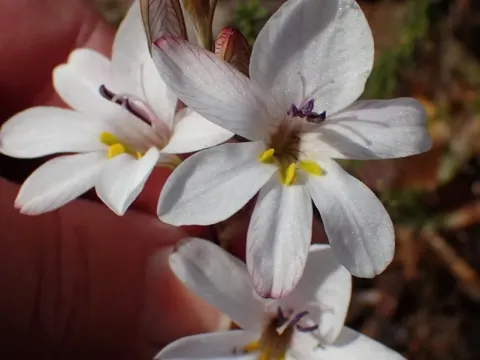
Tritonia
Tritonia Ker-Gawl.
Tritonia is a heat-loving culture, so the timing of planting in open ground is strictly dependent on soil temperature. Planting of corms usually occurs in late May, once the danger of late spring frosts has completely passed.
What the section contains

Tritonia
For gardeners looking for earlier blooms, starting corms in pots indoors starting in March is a highly recommended practice. This technique allows the plants to establish a strong root system before transplantation.
The optimal planting depth for the corms ranges from 5 to 8 centimeters, depending on the size and weight of the bulb. Maintaining a spacing of 10-15 centimeters between plants is crucial for adequate air circulation.
When cultivated in containers, planting can be scheduled earlier, provided a controlled environment is maintained. The soil temperature should be at least 15-18 degrees Celsius to trigger the active growth cycle.
While seed propagation is less common, it involves sowing in trays during early spring. Seedlings require supplementary light to prevent etiolation and ensure healthy leaf development before they are hardened off.
As a member of the Iridaceae family originating from Southern Africa, Tritonia requires intense sunlight to thrive. The chosen planting site must be fully exposed to the sun to ensure productive flowering.
The soil must be well-draining, fertile, and light. Sandy loam soils are ideal, as they prevent water stagnation, which is the primary cause of corm rot in this species throughout the growing season.
Effective drainage is non-negotiable; if your garden soil is heavy clay, you must incorporate sand or gravel at the bottom of the planting hole. Ensuring the root zone stays aerated is vital for plant longevity.
Regular watering is necessary during the active growth phase, especially during hot summer periods. While the soil should remain moist, it must never be waterlogged, as this leads to rapid bacterial decay.
Fertilization with a balanced mineral mix should be applied periodically during the season. Using a formula high in potassium and phosphorus will support more vibrant flower colors and robust corm development.
Fungal diseases are the most significant threat to Tritonia, particularly Fusarium wilt and grey mold. These pathogens thrive in conditions where soil moisture is excessive and air circulation is poor.
Common insect pests include spider mites and thrips, which particularly enjoy the warm, dry conditions favored by the plant. These pests sap vital energy from the leaves and can significantly weaken the corms.
Pest management should involve the timely application of systemic insecticides upon the first signs of infestation. Always follow the dosage instructions to ensure safety for the environment and the plants.
Preventative measures are essential, such as selecting a well-ventilated location and ensuring proper crop rotation. Avoiding planting Tritonia in the same soil for more than two years helps reduce soil-borne disease pressure.
The removal of severely infected plants is necessary to protect the rest of the collection. Careful monitoring throughout the summer will allow for the early detection of issues before they spread to healthy specimens.
Because Tritonia is not cold-hardy, the corms must be harvested every autumn. Digging should take place shortly after the first light frosts, once the foliage has begun to fade and turn yellow.
Carefully extract the corms from the soil, ensuring the basal plate remains undamaged. Gently brush off excess soil and allow them to air-dry in a cool, shaded, and well-ventilated area for several days.
After the drying phase, it is crucial to inspect each corm for signs of damage or decay. Discard any bulbs that show signs of rot, as they can quickly spoil the rest of the stored batch.
Storage should be conducted in paper bags or wooden trays filled with dry peat or sand. Keep the corms in a dark, cool place where the temperature remains between 5 and 10 degrees Celsius.
Regular winter checks are recommended to ensure the corms remain firm. Any corms that start to show mold should be removed immediately to prevent the contamination of the entire storage container.