
Urmia iris
Iris urmiensis
Description
Growing requirements
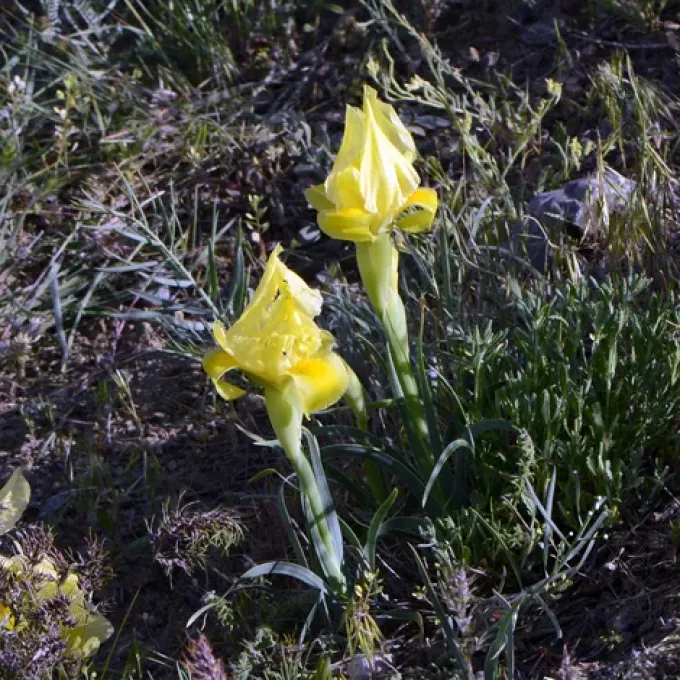
The Urmia iris (Iris urmiensis) is a perennial species belonging to the Iridaceae family. Originally native to the mountainous regions near Lake Urmia in Iran, it is a highly specialized plant adapted to arid, rocky environments.
In terms of agricultural requirements, this plant thrives in well-drained, calcareous soils. It cannot tolerate heavy, waterlogged clays, which can lead to rapid root decay and loss of the population.
The species requires full sun exposure to maintain its vigor. Lack of sufficient light leads to spindly growth and a significant reduction in the number of flowers produced during the growing season.
Climatic adaptability is focused on dry summers and cool winters. In regions with high summer precipitation, it is often necessary to provide cover or grow the plants in raised beds to ensure proper drainage.
Proper cultivation techniques involve minimal soil disturbance and the application of granular fertilizers during the early growth phase. Consistent care ensures the longevity of the plant's root system.
Main diseases and pests
Bacterial soft rot is the most significant disease threat to Iris urmiensis. It is triggered by excessive humidity and poor air circulation, often resulting in the complete collapse of the rhizome structure.
Fungal pathogens, such as leaf spot and rust, represent common threats in moist or poorly ventilated cultivation environments. Managing these diseases requires regular monitoring and preventive spray programs.
Pests such as iris borers and aphids frequently target the foliage and reproductive buds. These pests can cause significant aesthetic damage and weaken the plant's overall vitality if left unmanaged.
Disease management practices include the careful sanitation of the growing area and the use of specialized fungicides. Removing infected leaves and disposing of them safely is critical for preventing further spread.
Integrated pest management strategies are recommended to maintain plant health. This includes selecting resistant cultivars when available and ensuring the soil remains light and aerated throughout the year.