
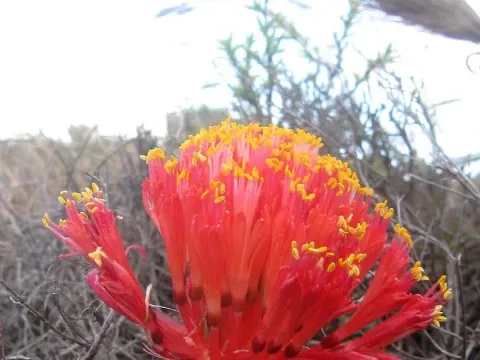
Tritoniopsis
Tritoniopsis
Propagation of Tritoniopsis is primarily achieved through the division of corms, which should be performed during the plant's dormant phase.
What the section contains


Tritoniopsis
The separation of offsets from the mother corm is the most reliable method for maintaining the purity of the specific cultivar and ensuring rapid growth.
Planting in the garden should occur once the soil has warmed sufficiently, typically in mid-to-late spring after the last threat of frost has passed.
Corms are placed in trenches at a depth of 5 to 10 centimeters, ensuring adequate spacing between individual plants to promote proper ventilation.
When sowing seeds, it is necessary to provide cold stratification to break dormancy, followed by cultivation in a nursery environment before transplanting.
Tritoniopsis belongs to the Iridaceae family and is native to the diverse landscapes of Southern Africa, thriving in specific climatic conditions.
The plant demands well-drained, sandy-loam soils that prevent waterlogging, as the root systems are susceptible to fungal rot in damp conditions.
Full sun exposure is crucial for the development of healthy foliage and the production of vibrant flowers, making site selection a priority.
While the plant requires moderate watering during the growing season, it must be kept relatively dry during its dormancy to ensure long-term viability.
Due to its African origin, it is highly sensitive to cold temperatures and must be protected or lifted from the ground in non-tropical climate zones.
The most significant threats to Tritoniopsis are soil-borne pathogens and fungal infections like Botrytis, particularly in poorly aerated or wet soils.
Pests such as thrips and aphids frequently attack the delicate tissues of the flower spikes, necessitating regular monitoring throughout the summer.
Implementing a preventive fungicide regimen during the storage of corms is an essential practice to protect against potential decay during winter.
Proper sanitation, including the removal of dead or infected plant debris, is vital to prevent the spread of diseases within a collection of plants.
Integrated pest management strategies are recommended to mitigate the impact of infestations while maintaining the overall health of the ornamental crop.