
Trimezia steyermarkii
Trimezia steyermarkii
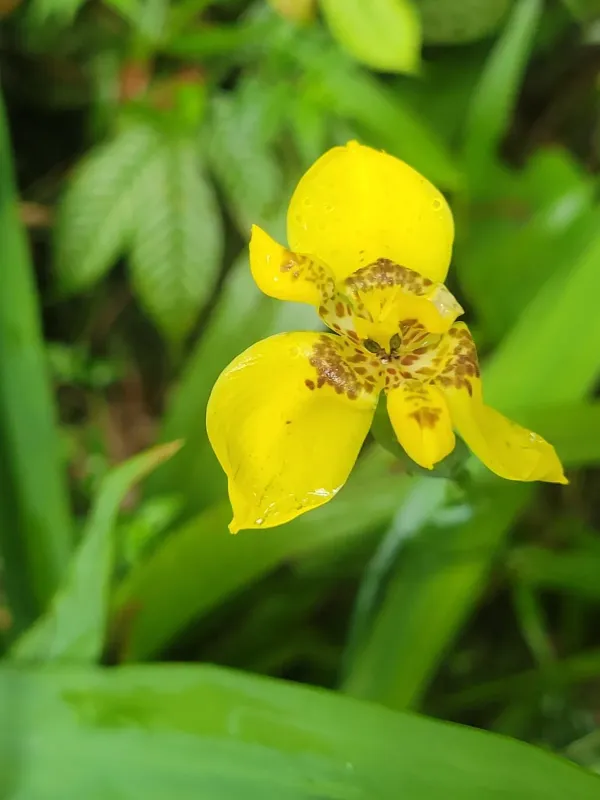
Description
Growing requirements
Trimezia steyermarkii is a perennial herbaceous plant belonging to the Iridaceae family. It is native to the tropical regions of the Americas, where it thrives in humid, warm, and shaded environments within forests and along water sources.
The plant is characterized by a strong rhizome system that supports its growth and seasonal expansion. The leaves are typically sword-shaped, arranged in basal fans, providing the plant with a lush and architectural appearance similar to other members of the family.
For successful cultivation, Trimezia steyermarkii requires consistent temperatures and protection from direct, harsh sunlight. While it appreciates moisture, it is highly sensitive to soil compaction and waterlogging, which necessitates a well-draining, organic-rich soil mix.
Climatic requirements are specific to tropical conditions, with a preference for high humidity levels. In cooler climates, this crop is typically managed in greenhouses or as an indoor plant to maintain its optimal metabolic functions throughout the year.
In terms of agricultural and horticultural use, the plant is primarily cultivated for ornamental purposes. It is highly valued for its elegant foliage and unique floral display, making it a popular choice for landscape architecture in tropical and subtropical zones.
Main diseases and pests
The primary threats to Trimezia steyermarkii are fungal pathogens, which typically proliferate in poorly ventilated or excessively damp environments. Managing humidity and soil drainage is critical to preventing infection.
Root rot is the most common disease associated with over-irrigation. Prevention relies on allowing the top layer of the substrate to dry slightly before the next watering cycle to maintain the health of the rhizomes.
Spider mites are a significant pest concern, especially when the ambient air humidity drops. These pests damage the foliage, causing discoloration and eventual leaf loss if not managed with appropriate miticides or humidity adjustments.
Thrips can also infest the plant, targeting the tender tissues of leaves and emerging flower stalks. Integrated pest management, including regular visual inspections, is essential to keep population levels below the threshold of economic or aesthetic injury.
Gastropods such as slugs can cause mechanical damage to the foliage during the wet season. Using physical barriers or bait traps is a recommended cultural practice to protect the integrity of the plant's leaves.