
Vartani Iris
Iris vartanii
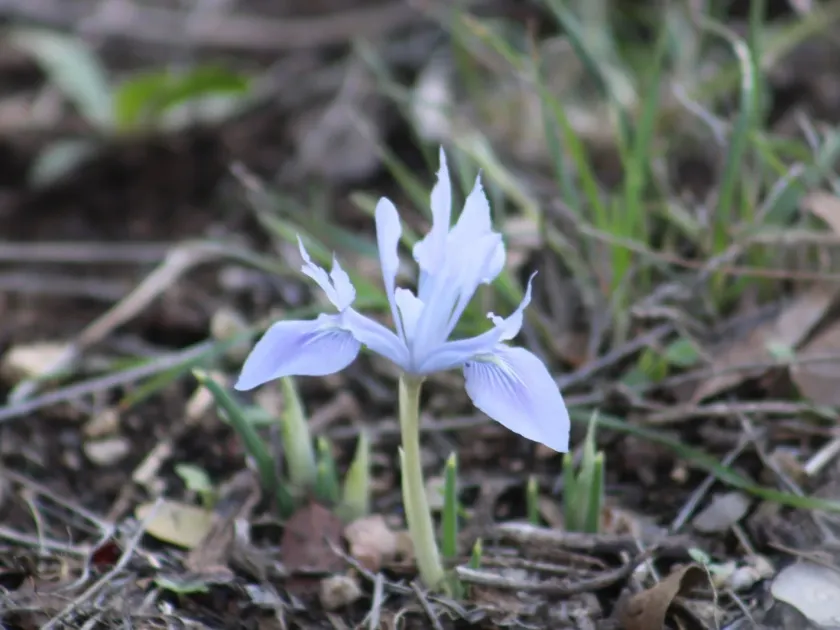
Description
Sowing dates
Planting of Vartani Iris bulbs is carried out exclusively in the autumn, usually in September or October, before the onset of the first steady frosts.
The planting depth should be about 7–10 centimeters, which allows the plant to successfully overwinter in mild climate conditions.
When planting, it is necessary to maintain a distance of at least 10–15 centimeters between plants to ensure sufficient feeding area and good aeration.
Select well-drained sites for planting, as moisture stagnation during the autumn-winter period is detrimental to the root system.
Before planting, the soil must be cleared of weeds, and sand can be added to improve its structure and permeability if necessary.
Growing requirements
Vartani Iris is a rare species of bulbous perennial belonging to the Iridaceae family, with a natural range covering regions of the Middle East, specifically Israel and Palestine.
The crop prefers sunny locations protected from strong winds, where the soil warms up well throughout the day, which is critical for early flowering.
The plant requires neutral or slightly alkaline, loose loamy soils that have a high capacity for draining excess water.
During the growing season, the iris needs moderate moisture, but after the flowering phase and leaf wilting, a summer dormancy period begins when watering should be completely stopped.
Climatically, the plant is adapted to the Mediterranean weather pattern, characterized by cool, wet winters and a distinct, dry summer season.
Main diseases and pests
The primary threat to the Vartani Iris is the development of fungal diseases of the root system, caused by excessive humidity and poor site drainage.
Common diseases include fusarium and various types of rots that affect the base of the bulb when agrotechnical standards are violated.
Among pests, wireworms and cutworm caterpillars cause the most significant damage by attacking the underground parts of the plant and reducing its vitality.
To prevent infestations, it is recommended to treat bulbs with specialized fungicides before planting and to strictly monitor the condition of the planting material.
Restricting watering during the summer dormancy period is a crucial agrotechnical practice that helps prevent bulb rot in the soil.