


Reference · Crops
Gladiolus
Gladiolus L.
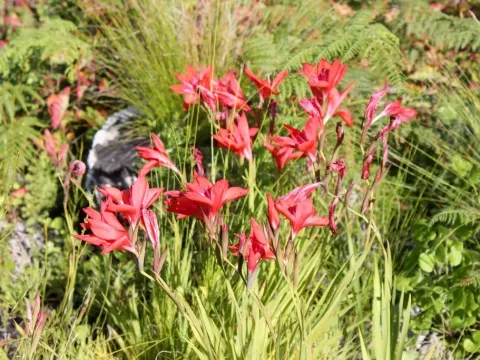
Gladiolus (Gladiolus L.) is a member of the Iridaceae family. The corms are planted in spring once the soil temperature at a depth of 10 cm reaches +8 to +10°C.
3
items
What the section contains
Marketplace
Products in this section · 12


GAGARIN'S SMILE
MOSCOW SOCIETY OF NATURAL PHILOSOPHERS P
Gladiolus
0
0
1 offer
1 278.4 €per 1000 seeds
Buy


Gladiolus
In warmer climates, planting can begin as early as March, while in cooler regions, it typically starts in late April or May. Early planting is essential for deep root establishment.
To ensure a continuous supply of flowers throughout the summer, gardeners often use a staggered planting schedule, placing new corms every two weeks.
Before planting, the corms should be cleaned and treated with an appropriate fungicide to prevent soil-borne pathogens from attacking the developing plant.
The planting depth depends on the soil texture and corm size, usually ranging from 8 to 15 cm deep to support the heavy floral spikes as they grow.
Gladiolus requires full sun to thrive. Choosing a location that receives at least six to eight hours of direct sunlight per day is critical for flower production.
Well-drained, fertile soil with a slightly acidic to neutral pH (6.5 to 6.8) is ideal. Gladiolus corms will rot quickly in heavy, waterlogged soils.
Regular irrigation is vital during the growing season, especially during periods of low rainfall and when the flower spikes are actively developing.
Balanced fertilization during the early growth stages, followed by a potassium-rich fertilizer during bud formation, significantly improves bloom quality.
Proper weed control is necessary to reduce competition for nutrients and moisture, as well as to minimize the risk of pests and diseases.
Fusarium wilt and botrytis are common fungal infections that can damage the corms and foliage, especially in humid or poorly ventilated conditions.
Bacterial scab appears as dark, sunken spots on the corms and can lead to storage decay if the infection is present at the time of harvesting.
Gladiolus thrips are the most significant insect pest. These tiny insects feed on foliage and buds, often causing the flowers to become discolored or fail to open.
Integrated pest management strategies, including the use of systemic insecticides and crop rotation, are essential for maintaining a healthy gladiolus garden.
Removing and destroying infected plants promptly helps contain outbreaks and prevents the spread of pathogens to the rest of the corm stock.
The corms should be harvested in autumn, typically 4–6 weeks after flowering has finished. This ensures the plant has had enough time to replenish its energy.
Plants are lifted carefully from the soil, and the stems are cut back to just above the corm. It is important to perform this task in dry weather.
After lifting, corms must be cured in a warm, dry area for several weeks to allow the outer layers to dry and harden sufficiently for storage.
Once cured, store the corms in a cool, dark environment with good air circulation at a constant temperature of +3 to +6°C to prevent premature sprouting.
Regular inspections throughout the winter months help identify any damaged or rotting corms, which should be discarded immediately to protect the healthy stock.