
Byzantine gladiolus
Gladiolus communis L.
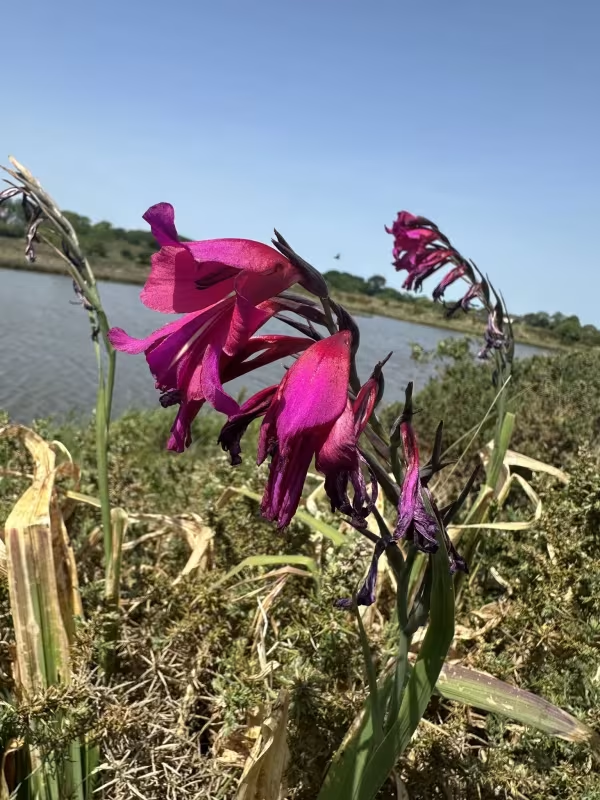
Description
Sowing dates
Byzantine gladiolus (Gladiolus communis) is typically planted in early spring once the soil has warmed up, ensuring the substrate is well-drained to prevent root rot.
In Mediterranean climates or regions with mild winters, autumn planting is preferred as it encourages early root establishment and stronger spring growth.
Corms should be placed at a depth of approximately 10 to 12 centimeters, providing enough stability for the long, slender stalks that characterize the species.
Choosing a site with full sun exposure is essential, as this species requires high light intensity for optimal development and vibrant flower color.
Spacing should be maintained at 15-20 centimeters to allow for adequate airflow, which is crucial in reducing the humidity around the foliage.
Growing requirements
As a member of the Iridaceae family, this plant thrives in fertile, well-draining soils with a neutral or slightly acidic pH level.
Consistent moisture is required during the vegetative phase, though the soil must never remain waterlogged to avoid fungal decay of the corms.
The Byzantine gladiolus is known for its hardiness compared to many hybrid varieties, yet it still benefits from a protective layer of mulch in colder areas.
Nutrient management involves applying balanced fertilizers early in the season to support leaf growth and later in the season for bloom development.
Effective drainage is perhaps the most critical physical requirement, as the corms are highly susceptible to rot if sitting in stagnant groundwater.
Main diseases and pests
The primary fungal threats include Fusarium wilt and dry rot, both of which can devastate an entire bed of gladioli if not managed through proper sanitation.
Gladiolus thrips represent the most significant insect pest, as they damage the epidermal layers of the leaves and cause deformed flowers.
Soil-borne pests like wireworms can burrow into the corms, often creating entry points for secondary bacterial infections that lead to rapid decay.
Integrated pest management strategies, including the use of neem oil or systemic insecticides, are recommended at the first sign of infestation.
- Rotate planting sites annually to disrupt the life cycle of soil-borne pathogens.
- Inspect all corms before storage to ensure only healthy material is saved.
- Use weed control measures to eliminate alternate hosts for viral diseases.
Harvesting
Harvesting should occur once the foliage has naturally withered, allowing the corms to store enough energy for the subsequent growing season.
Carefully lift the corms from the ground using a garden fork, taking great care to avoid slicing into the protective outer scales of the corm.
Drying is a mandatory step; place the harvested corms in a cool, dark, and well-ventilated area for several weeks to cure properly before storage.
Remove the dried foliage and store the clean corms in breathable containers like mesh bags or wooden crates to prevent moisture accumulation.
Keep the stored material in a frost-free environment at a stable temperature of 5-8 degrees Celsius to maintain dormancy until the next cycle.