
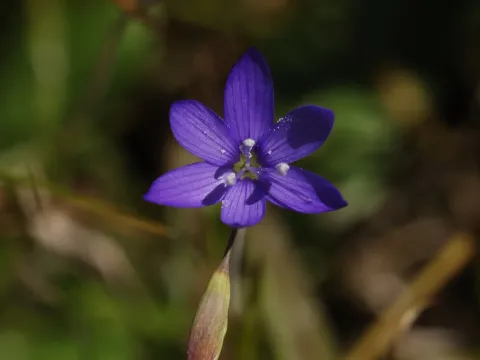
Geissorhiza
Geissorhiza
Geissorhiza, a member of the Iridaceae family, is propagated primarily through seeds or offset bulbs. In temperate climates, seeds should be sown in late winter or early spring within a protected environment such as a greenhouse.
What the section contains


Geissorhiza
To ensure successful germination, it is essential to maintain a stable temperature between 15 and 18 degrees Celsius. The sowing substrate must be light, sandy, and have excellent drainage properties to prevent the decay of young seedlings.
Bulbs should be planted outdoors once the risk of frost has passed, typically in May. The planting depth is approximately 5-7 centimeters, depending on the size of the specific Geissorhiza species bulb.
A critical factor during sowing is ensuring optimal spacing between plants, which should be at least 10-15 centimeters to allow for adequate air circulation.
Geissorhiza seedlings grow relatively slowly and often require continued cultivation in pots during their first year until they reach a mature, vigorous size.
Originating from the Cape region of South Africa, Geissorhiza has high light requirements and prefers open, sunny locations in the garden. The crop reacts negatively to waterlogging, making sloped sites or raised beds an ideal choice for planting.
Soils for this crop should be neutral or slightly acidic, loose, and well-drained. Heavy clay soils require the addition of sand or fine gravel to improve the aeration of the root system.
During the active growing phase, the plant requires moderate but consistent watering; however, during the summer dormancy period, the bulbs prefer to remain in dry soil. High humidity combined with heat may hinder the growth of Geissorhiza.
The temperature range should be moderate; the plant cannot tolerate severe frost, so in northern regions, the bulbs must be lifted before winter and stored in a cool, dry place at a temperature of approximately 5-10 degrees Celsius.
For prolific flowering, the crop needs fertilization with complex mineral fertilizers low in nitrogen, applied at the beginning of the vegetative period.
The primary threats to Geissorhiza are fungal diseases caused by excessive soil moisture. Among these, Fusarium wilt and various types of bulb rot are the most common, often leading to the rapid decline of the plant.
Under high-humidity conditions, the development of gray mold (Botrytis) is possible, affecting the foliage and inflorescences, which requires immediate treatment with systemic fungicides.
Among pests, thrips and spider mites cause the most damage, as they multiply rapidly in hot, dry weather. These insects sap the moisture from the leaves, causing deformation and reducing the aesthetic value of the plant.
The root systems of bulbous plants can also be attacked by wireworms and white grubs; therefore, preventative soil treatment with insecticides before planting is recommended.
Practicing crop rotation and avoiding planting in the same location for more than two or three consecutive years are effective strategies for managing soil-borne pathogens.