
Gladiolus gandavensis
Gladiolus x gandavensis Van Houtte
Description
Sowing dates
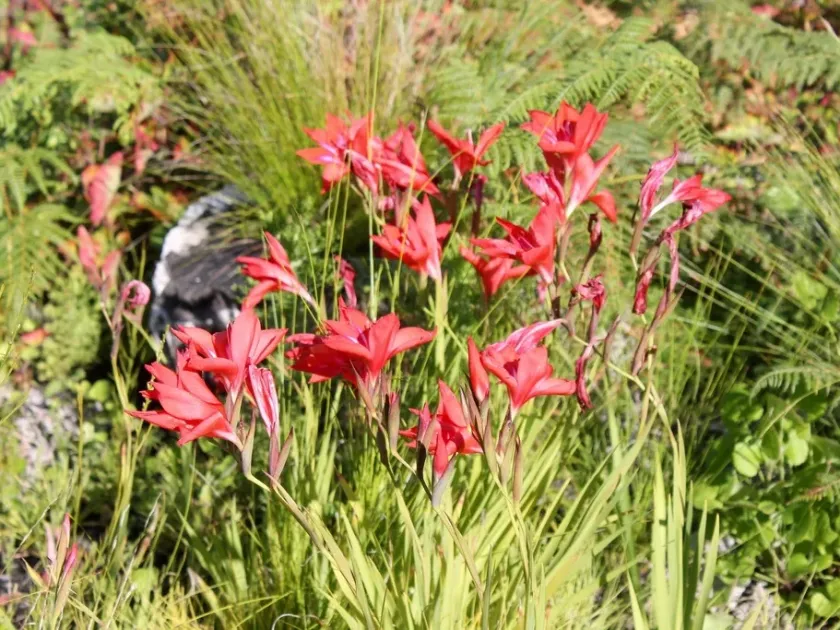
Gladiolus gandavensis is a prominent hybrid species within the Iridaceae family, widely cultivated for its impressive spikes of colorful flowers.
The planting process begins in spring once the soil temperature consistently reaches at least 10 °C to ensure successful rooting and growth.
Corms should be planted in sunny, open areas to provide the necessary conditions for the plant to develop sturdy and healthy flowering stalks.
Proper spacing between bulbs is crucial, typically ranging from 10 to 15 cm depending on the size of the corm to prevent overcrowding.
Pre-planting preparation involves removing the outer husks and inspecting for any signs of decay to maintain high production standards.
Growing requirements
These plants thrive in fertile, well-draining soil with a slightly acidic to neutral pH, ensuring that excess moisture does not cause rot.
Regular irrigation is necessary throughout the growing season, particularly during dry spells, to support rapid foliage development and bud formation.
Balanced fertilization with macronutrients like nitrogen, phosphorus, and potassium is essential to achieve the desired height and bloom quality.
Wind protection is an important aspect of cultivation, as tall stems may require staking to remain upright during heavy rain or storms.
Consistent soil cultivation, including weeding and aeration, helps improve nutrient uptake and prevents the spread of soil-borne pathogens.
Yield
The production cycle focuses on maximizing the number of high-quality replacement corms for future seasons alongside cut flower output.
Effective agricultural practices, such as irrigation and timely nutrition, directly correlate with the size and vigor of harvested corms.
A successful harvest involves selecting healthy, mature corms that have completed their development cycle during the summer period.
Marketable yields for floriculture require consistent stem quality and long vase life, which are influenced by the genetic variety and climate.
Proper management of the nursery beds ensures a high multiplication rate for the cormlets, sustaining the grower's planting stock.
Main diseases and pests
The main pathological threats include fungal infections such as Fusarium wilt and Botrytis, which can rapidly destroy bulb tissues in damp conditions.
Gladiolus thrips are the most significant insect pest, feeding on the leaves and flowers, which significantly diminishes the plant's aesthetic value.
Integrated pest management strategies involve crop rotation and the application of fungicides during storage to maintain bulb health.
Visual inspection of the plants during the growing season is vital to identify and remove infected individuals before the disease spreads.
Proper sanitation, including the destruction of infested plant debris, is fundamental to reducing the pressure from pests in following years.
Harvesting
Harvesting usually occurs late in the season, approximately six to eight weeks after the flowers have faded, but before severe frost sets in.
The process requires digging up the corms carefully to avoid mechanical damage, which can serve as entry points for rot-causing fungi.
Post-harvest handling involves cleaning, trimming the foliage close to the corm, and curing them in a warm, dry area for several days.
Corms must be stored in cool, dry conditions with adequate air circulation to prevent the buildup of moisture and fungal growth over winter.
Periodic monitoring during storage allows growers to discard any spoiled material, thereby protecting the overall health of the collection.