
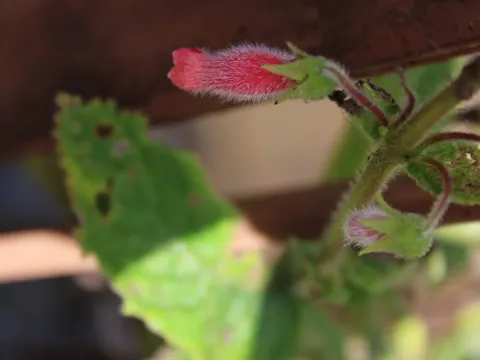
Sinningia
Sinningia Nees
Sinningia is a genus of tuberous herbaceous perennials belonging to the Gesneriaceae family, comprising approximately 70 species native to Central and South America.
What the section contains


Sinningia
These plants are characterized by their succulent tubers, which serve as storage organs, allowing the plant to enter a dormant phase during unfavorable environmental conditions.
The leaves are typically opposite and may have a velvety texture, while the flowers are bell-shaped and come in a wide array of vibrant colors including purple, red, white, and pink.
Optimal growth requires bright, indirect light and a well-draining, slightly acidic soil mixture rich in organic matter to mimic their native forest floor habitat.
Commercially, Sinningias are primarily used in the floriculture industry, being popular as potted ornamental plants due to their striking visual appeal and bloom longevity.
Common pests affecting Sinningia include spider mites, aphids, and thrips, which can rapidly diminish plant vigor if left unchecked in greenhouse environments.
Fungal pathogens such as Pythium and Phytophthora are significant threats, primarily targeting the tuber system when soil moisture levels remain consistently high.
Powdery mildew and Botrytis blight are frequent issues arising from poor air circulation and excessive humidity around the foliage.
Management strategies involve strict sanitation, ensuring proper spacing between plants, and utilizing fungicides specifically designed for tuberous plant protection.
Regular monitoring of the tuber health is essential for preventing long-term infestations or soil-borne diseases that could compromise the entire crop cycle.