
Gloxinia
Sinningia speciosa (G. Lodd.) Hiern
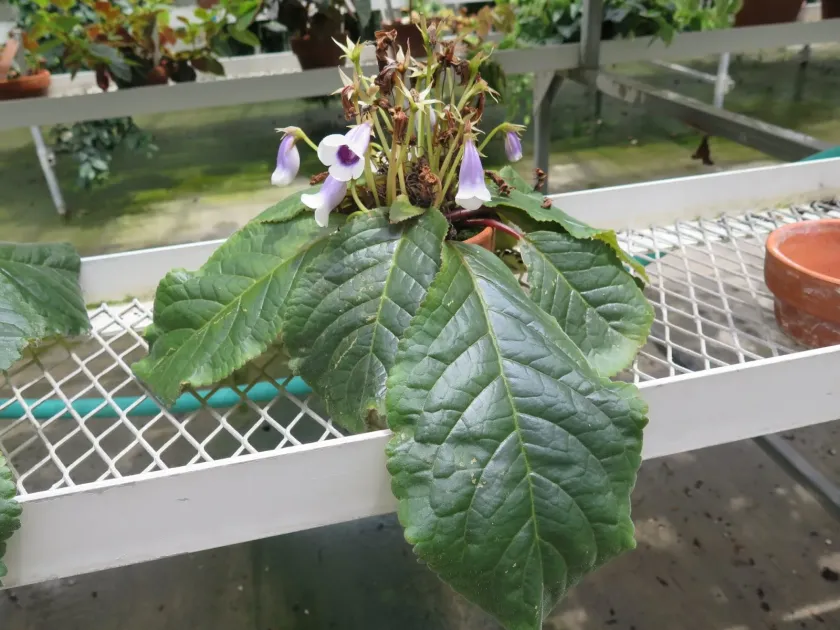
Description
Sowing dates
Propagation of gloxinia (Sinningia speciosa) is primarily carried out through seeds or vegetatively using leaf cuttings and tuber division. Sowing is typically conducted during winter, from December to February, to ensure the plant blooms within its first year of life.
For optimal germination, seeds should be sown on the surface of the growing medium without covering them, as they are minute and highly sensitive to planting depth. Trays are covered with transparent film to maintain a greenhouse effect and ensure constant moisture levels.
The ideal temperature for seedling emergence is 22–24 degrees Celsius. Sprouts typically appear within 10–14 days, after which humidity should be gradually reduced and light intensity increased to ensure strong growth.
Seedlings are pricked out when the first two true leaves are formed. Providing adequate space is crucial, as overcrowded seedlings tend to stretch their stems, which significantly weakens their resistance to stress before being transplanted to permanent pots.
When propagating via leaf cuttings, the stems are placed in a moist substrate at approximately 20–22 degrees. A small tuber forms at the base of the cutting within 4–6 weeks, signaling that the young plant is ready for potting in an individual container.
Growing requirements
Gloxinia belongs to the Gesneriaceae family and is a herbaceous perennial characterized by a clear dormant phase. Native to the tropical forests of Brazil, this crop demands high air humidity and a stable temperature regime throughout its growth cycle.
Successful cultivation requires a loose, nutrient-rich, and slightly acidic substrate with excellent drainage and aeration. An ideal mixture typically contains peat, leaf mold, and sand in a 2:1:1 ratio, often supplemented with a small amount of vermiculite.
Lighting should be intense but diffused, as direct sunlight can easily scorch the large, velvety leaves. The crop performs best on west or east-facing windows, where it receives at least 12–14 hours of daily illumination.
Watering must be regular but handled with caution; the bottom-watering method is preferred to prevent water from accumulating on the leaves or the central stem, which could lead to decay.
After the flowering cycle, the plant enters dormancy and sheds its foliage. During this period, irrigation should be minimized, and the tuber should be stored in a cool, dark location at 10–15 degrees Celsius until the spring season begins.
Main diseases and pests
Phytophthora and various root rots are among the most serious threats caused by poor agricultural practices. These conditions arise mainly due to chronic overwatering and insufficient air circulation in the growing area.
Thrips and spider mites are common pests that thrive in dry conditions. Affected plants show signs of stunted growth, leaf curling, and flower bud deformation or premature shedding of floral structures.
Powdery mildew also frequently occurs when plants are subjected to sudden temperature fluctuations or stagnant air. Preventive measures include timely application of systemic fungicides and the immediate removal of any infected plant tissue.
Scale insects can damage the crop by attaching themselves to the undersides of leaves to feed on cell sap. Management involves using appropriate insecticides combined with physical cleaning of leaves using a mild soapy solution to remove adult pests.
Maintaining high hygiene standards is essential for disease prevention, including quarantining new acquisitions and keeping tools sterile. Using pasteurized soil and balanced fertilization schedules significantly helps in strengthening the plant's natural immune system.