
Henckelia
Henckelia hybrids
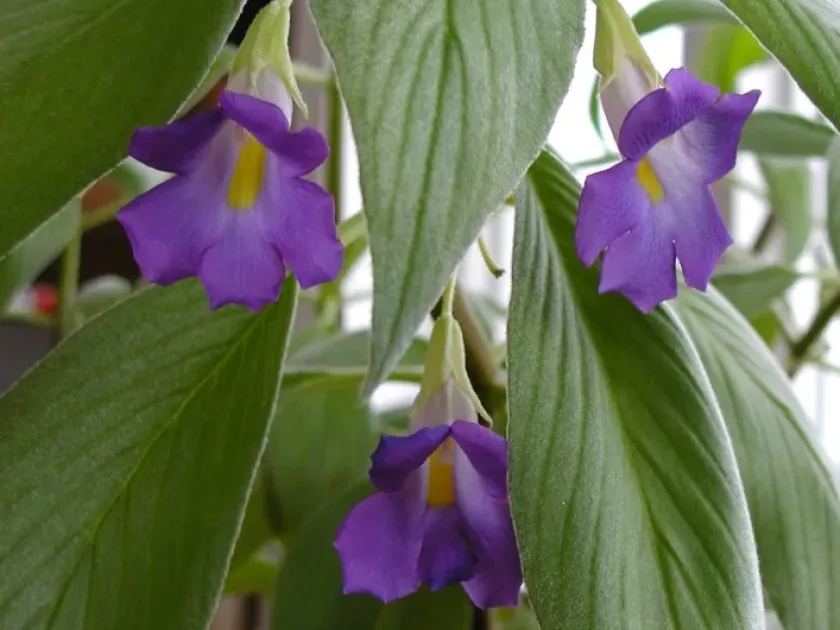
Description
Growing requirements
Henckelia is a genus of herbaceous plants belonging to the Gesneriaceae family. These plants are native to the tropical regions of Asia, where they thrive in shaded, humid environments under the forest canopy. They are highly valued for their unique leaf texture and long-blooming flowers.
The ideal growing environment for Henckelia requires consistent ambient temperatures between 20°C and 25°C. Exposure to sudden cold drafts or extreme temperature fluctuations can induce stress, leading to a significant decrease in growth rates or the drop of developing flower buds.
Soil composition must be highly porous to ensure efficient drainage. A blend of sphagnum peat, perlite, and organic leaf mold is recommended to create a substrate that retains sufficient moisture without becoming waterlogged, which is a common hazard for this genus.
Light management is crucial, as Henckelia plants are susceptible to photo-inhibition and leaf burn under intense direct sunlight. A bright, indirect light source is optimal, allowing the plant to photosynthesize efficiently without damaging its delicate foliage structures.
Watering requirements center on maintaining uniform soil moisture. It is essential to ensure that the water used is at room temperature to avoid shock to the roots. Proper irrigation strategy involves frequent but small amounts of water to keep the root ball consistently moist but not saturated.
Main diseases and pests
Root and crown rot represent the most significant physiological threats to Henckelia, typically caused by overwatering or poor drainage systems. These pathogens can quickly destroy the plant's vascular tissue, making early detection and substrate management vital for plant survival.
Mealybugs are the primary pest concern, often hiding in the dense rosettes of the leaves. Controlling these insects requires either manual removal using alcohol-dipped swabs or the application of systemic insecticides that are compatible with delicate gesneriad leaves.
Spider mites can cause significant damage during periods of low humidity, particularly in heated indoor environments. Their presence is often identified by fine webbing and stippling on the upper surface of the leaves, which requires immediate treatment with acaricides.
Fungal leaf spots may occur if the foliage remains wet for extended periods in poorly ventilated areas. Ensuring proper air circulation around the plants is an effective preventive measure to maintain leaf health and reduce the risk of pathogen colonization.
Monitoring the plant for yellowing leaves or stunted growth is necessary to identify potential nutrient imbalances or pest infestations early. Balanced liquid fertilizers, applied during the active growing season, help maintain the plant's natural resilience against environmental stressors.