
Henckelia pumila
Henckelia pumila
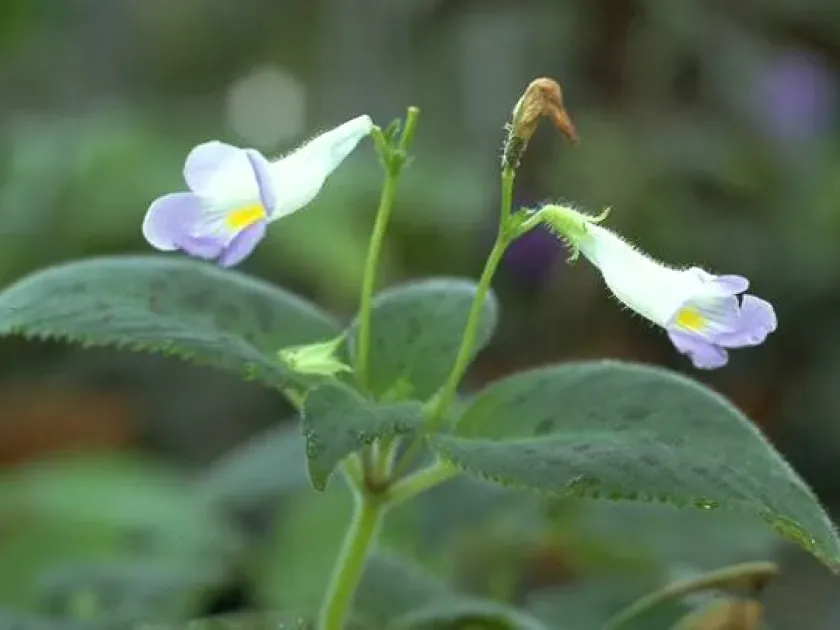
Description
Growing requirements
Henckelia pumila is a distinct species belonging to the Gesneriaceae family, naturally found in the tropical forest ecosystems of Asia. As a shade-loving plant, it is adapted to the filtered light environments of forest floors, where humidity levels remain consistently high throughout the year.
Successful cultivation of this species requires a strictly controlled climate where temperatures are maintained between 20°C and 25°C. Exposure to sudden cold fronts or intense, direct sunlight is detrimental to the plant's structural integrity and may cause rapid wilting.
The ideal growing medium must be highly porous and moisture-retentive but never waterlogged. A substrate composed of sphagnum moss, perlite, and high-quality peat is recommended to provide both essential nutrients and proper drainage for the delicate root system.
Water management is the most critical aspect of the plant's husbandry. Irrigation should be performed using tepid, soft water, targeting the soil base while avoiding direct contact with the foliage to prevent the development of fungal pathogens common in humid environments.
To support healthy vegetative growth, regular air circulation is necessary, even in high-humidity settings. This helps prevent stagnant air pockets that can lead to the proliferation of pests or bacterial diseases that typically target the softer tissues of Gesneriaceae species.