
Henckelia urticifolia
Henckelia urticifolia
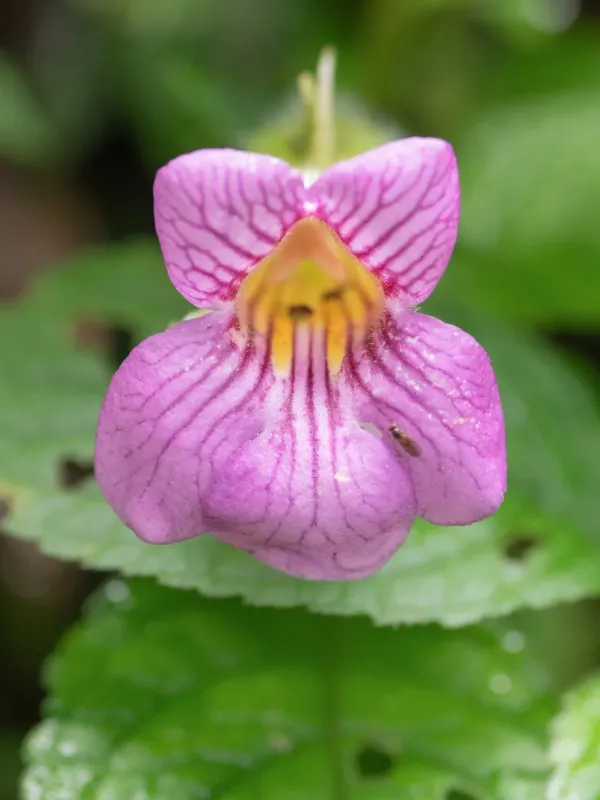
Description
Growing requirements
Henckelia urticifolia is an herbaceous perennial plant belonging to the Gesneriaceae family. Its common name is derived from its leaf shape, which mimics that of a stinging nettle, though it possesses no urticating hairs.
Native to the humid forests of Southeast Asia, this species requires high relative humidity to thrive. It is often grown in terrariums or specialized indoor greenhouses where climate conditions can be strictly monitored and maintained.
The ideal potting medium should be porous and well-draining, consisting of a mix of peat, perlite, and bark. A loose substrate prevents root compaction and ensures adequate oxygen exchange, which is critical for the plant's health.
The plant performs best under bright, indirect light conditions. Exposure to direct sunlight should be avoided at all costs, as the delicate foliage will quickly scorch and turn yellow or brown under intense radiation.
Watering requirements must be carefully balanced. The soil should remain moist but never waterlogged. Always use room-temperature water to prevent thermal shock to the root system, especially during colder periods of the year.
Main diseases and pests
The most common threat to this plant is root rot, typically caused by overwatering or poor drainage. Once established, this condition is difficult to reverse, making prevention through controlled watering essential.
Spider mites are a persistent pest for this species, particularly in environments where air humidity is insufficient. These mites puncture leaf cells, leading to a stippled appearance and potential defoliation if left untreated.
Mealybugs are another common nuisance that can hide in the leaf axils. These pests are resilient, often requiring systematic insecticidal treatment to ensure total eradication from the collection.
Fungal infections, such as Botrytis, can occur if there is inadequate air circulation around the plant. Proper ventilation is vital to maintain a healthy environment for these tropical perennials.
Regular maintenance, including removing dead leaves and monitoring for pests, is the most effective way to prevent widespread health issues and ensure the longevity of the plant.