
Lysionotus
Lysionotus
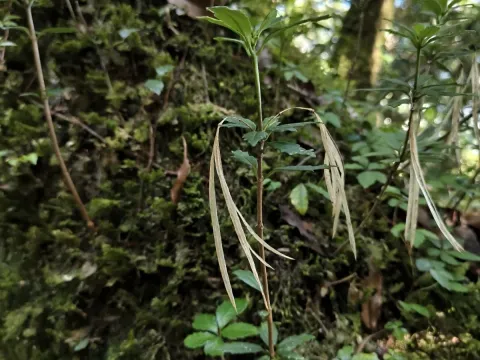
Lysionotus is a genus of evergreen shrubs and epiphytes belonging to the Gesneriaceae family. These plants are native to the mountainous regions of Asia, including China, the Himalayas, and parts of Southeast Asia, where they often grow on mossy rocks or tree trunks.
What the section contains


Lysionotus
Botanically, Lysionotus is characterized by its succulent-like leaves and attractive, tubular flowers. Its growth habit can be semi-trailing or upright, making it a highly desirable candidate for hanging baskets or terrarium settings due to its exotic appearance.
To successfully cultivate Lysionotus, one must provide a well-draining, airy substrate. A mixture containing orchid bark, peat moss, and perlite is ideal to mimic the natural environment of these forest-dwelling plants and prevent root compaction.
Environmental requirements include bright, indirect light. Direct sunlight is detrimental to the foliage, as it leads to tissue scorching, while insufficient light inhibits blooming and causes the plant to become leggy and weak.
Temperature management is critical for the health of this culture. The plant thrives in cool to moderate temperatures, typically between 18 and 24 degrees Celsius, and requires a distinct cooling period during winter to encourage blooming in the following season.
Root rot is the most common threat to Lysionotus, usually caused by overwatering or poor drainage. It is essential to ensure that water never stagnates at the bottom of the pot to allow the roots to breathe properly.
Pests such as mealybugs and spider mites are frequent invaders, especially in low-humidity indoor environments. Regular monitoring of leaf axils and the undersides of leaves is necessary to detect infestations before they spread significantly.
Whiteflies can also cause damage by feeding on plant sap and potentially spreading viral pathogens. If an infestation occurs, it is recommended to isolate the affected plant and treat it with appropriate horticultural soap or systemic insecticides.
Nutrient deficiency may appear as leaf yellowing or stunted growth. To maintain the plant's health, use a balanced liquid fertilizer at half strength during the active growth period, ensuring the soil is moist before application.
Good air circulation is vital for preventing fungal infections like powdery mildew. Maintaining proper distance between pots and avoiding overcrowding in the growing area will help reduce the risk of disease transmission significantly.