
Henckelia bifolia
Henckelia bifolia
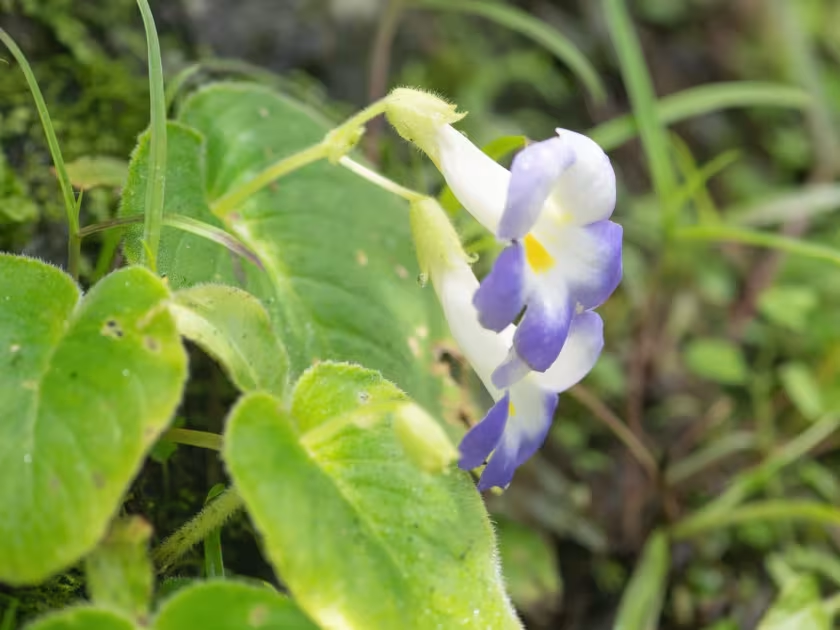
Description
Growing requirements
Henckelia bifolia belongs to the Gesneriaceae family. This perennial herbaceous plant is native to tropical rainforests, where it typically thrives in the understory under constant high humidity and filtered light conditions.
The plant is characterized by a specific leaf arrangement, often featuring two prominent leaves that serve as the primary photosynthetic organs. These leaves are typically fleshy and require consistent environmental parameters to remain healthy.
Temperature management is crucial; the plant performs best in a range between 20°C and 25°C. Sudden temperature drops or heat stress can cause physiological stress, affecting the growth rate of the plant significantly.
The growing medium must be highly porous and well-draining. A mix consisting of high-quality peat, perlite, and perhaps a small amount of charcoal is ideal for maintaining the necessary root aeration while keeping moisture levels stable.
Maintaining high ambient humidity is one of the most critical aspects of the plant's husbandry. Ideally, humidity should stay between 60% and 80%, as the plant is prone to dehydration if kept in dry household environments.
Main diseases and pests
The most common threat to Henckelia bifolia is root rot, which is almost exclusively caused by overwatering or poor drainage. The root system is delicate and requires a "dry-down" period between watering cycles to remain functional.
Pests such as mealybugs and spider mites are frequent invaders. They tend to settle in the protected areas of the leaves and stems, sucking the plant's sap and leading to stunted development or leaf chlorosis.
Monitoring the plant for signs of infestation is essential for timely intervention. Early detection allows for the use of softer, organic remedies before a full-blown infestation requires stronger chemical treatments.
Fungal leaf spots can occur if the foliage is kept wet for too long or if there is poor air circulation. Improving ventilation around the plant is a simple yet effective preventative measure against these infections.
Regular sanitation of the growing area and the use of sterile tools for any maintenance are vital. By following a strict hygiene protocol, the risk of transferring pathogens to this sensitive plant is significantly reduced.