
Henckelia grandifolia
Henckelia grandifolia
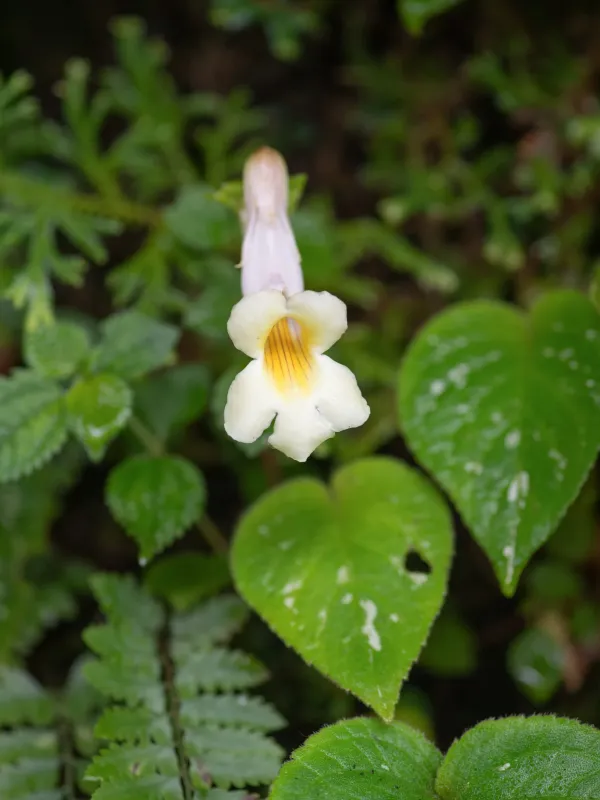
Description
Growing requirements
Henckelia grandifolia is an intriguing species within the Gesneriaceae family, native to the tropical regions of Southeast Asia. This herbaceous perennial is highly prized by collectors for its striking large leaves, which serve as the primary ornamental feature of the plant in indoor and greenhouse environments.
To thrive, this species requires a stable environment with temperatures maintained between 20°C and 25°C. It is sensitive to thermal fluctuations and cold drafts, both of which can cause premature leaf drop. The plant performs best in locations with bright, indirect lighting away from the harsh direct afternoon sun.
The substrate must be highly porous and moisture-retentive but never soggy. A mix consisting of peat moss, perlite, and pine bark creates the ideal growing medium, ensuring that oxygen reaches the delicate root system while maintaining the humidity levels necessary for healthy growth.
Humidity management is a critical aspect of Henckelia cultivation. Levels should remain high, ideally above 60%. Utilizing room humidifiers or pebble trays is recommended, as this mimics the humid atmosphere of its native rainforest habitat, preventing the edges of the leaves from turning brown.
In terms of agricultural and horticultural use, Henckelia grandifolia is primarily a botanical specimen plant. It is widely used in high-end greenhouse displays and by dedicated enthusiasts who specialize in the conservation and propagation of rare tropical Gesneriads.
Main diseases and pests
The most significant pathological threat to Henckelia grandifolia is root rot, often caused by overwatering or poor drainage. Once established, the fungus affects the root structure, making it difficult for the plant to absorb nutrients and water, eventually leading to rapid decline.
Pests such as mealybugs and spider mites are frequent invaders in indoor collections. These pests thrive in dry environments and can cause significant damage to the plant by sap-sucking, which results in leaf chlorosis, webbing, and stunted development if not controlled immediately.
Fungal infections, including botrytis, can occur if the foliage remains wet for extended periods in low-light, high-humidity settings. It is essential to ensure adequate air circulation around the plants to prevent the accumulation of stagnant, moisture-heavy air.
Nutritional imbalances caused by improper fertilization can also weaken the plant, making it more susceptible to environmental stress. Using a balanced, water-soluble fertilizer at half-strength during the growing season is generally safer than applying heavy doses of synthetic nutrients.
Regular sanitation, such as removing dead or dying leaf tissue, is necessary to minimize the risk of disease spread. By maintaining a clean growing area and inspecting plants for early signs of distress, growers can effectively manage most common threats to this sensitive species.