
Didymocarpus pedicellatus
Didymocarpus pedicellatus
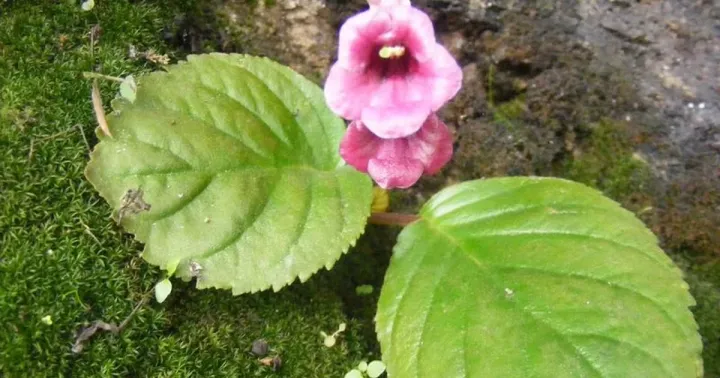
Description
Growing requirements
Didymocarpus pedicellatus is a perennial herbaceous plant belonging to the Gesneriaceae family, notable for its distinct botanical characteristics.
Native to the Himalayan region, this plant naturally thrives as a lithophyte in rocky crevices, showing remarkable adaptation to harsh mountain environments.
In cultivation, it requires a well-draining, nutrient-rich substrate, often mimicking natural conditions by incorporating perlite or small stone chips.
The plant thrives best in filtered light or partial shade, as exposure to intense, direct sunlight can damage the sensitive foliage.
Maintaining high humidity levels is crucial for healthy growth, yet irrigation must be managed carefully to avoid waterlogging the roots.
Main diseases and pests
Root rot is the primary physiological and pathological threat to Didymocarpus pedicellatus, usually resulting from poor drainage or excessive watering.
Fungal infections can rapidly compromise the integrity of the plant, especially when stagnant air conditions persist in the growing area.
Spider mites represent a frequent pest challenge, particularly during drier seasons when the plant's natural defenses are weakened by low humidity.
Leaf spot diseases may occur if water remains on the leaves for prolonged periods, making efficient irrigation techniques vital for crop health.
Strict sanitation and environmental monitoring are essential to prevent infestation and maintain the vitality of this sensitive botanical species.