
Columnea banksii
Columnea banksii
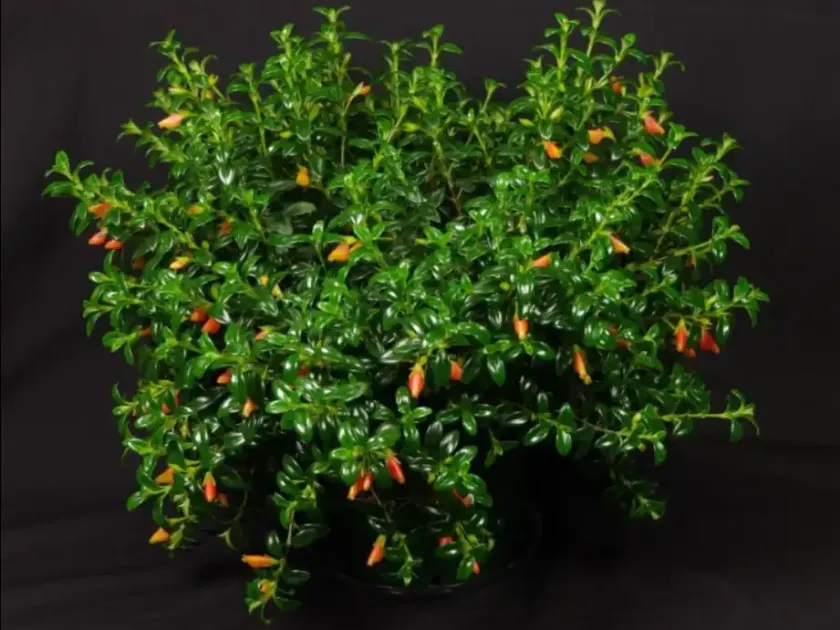
Description
Growing requirements
Columnea banksii is a hybrid member of the Gesneriaceae family, highly regarded for its trailing growth habit and vibrant, tubular flowers. It is widely cultivated as an ornamental plant in temperate regions, typically grown in hanging baskets to showcase its cascading stems.
Originating from the tropical regions of Central and South America, this plant is epiphytic by nature. In its native habitat, it grows on tree branches, requiring high humidity and excellent drainage, which must be replicated in any controlled indoor or greenhouse environment.
The culture thrives in bright, indirect light. Direct sunlight is generally too intense and can scorch the waxy leaves, whereas insufficient light leads to sparse foliage and a significant reduction in flower production. A window facing east or west is often ideal for its development.
The growing medium must be porous and slightly acidic. A mixture of peat moss, perlite, and pine bark is recommended to ensure the roots remain oxygenated while retaining necessary moisture. Fertilization should be light but regular during the active growing season using balanced liquid food.
Humidity is perhaps the most critical factor in the successful management of Columnea banksii. Maintaining levels above 60% is essential for healthy growth. This can be achieved through regular misting, the use of humidity trays, or placement within an indoor greenhouse or terrarium setting.
Main diseases and pests
The most significant pest concerns for Columnea banksii are spider mites and mealybugs. Spider mites are particularly problematic in dry environments and can quickly infest the underside of leaves, leading to yellowing and premature leaf drop if left unmanaged.
Root rot, caused by fungal pathogens such as Pythium, remains the primary threat to the long-term health of the plant. This condition is almost exclusively the result of poor soil drainage or overwatering, which creates anaerobic conditions that favor fungal growth.
Cultural control is the first line of defense. Ensuring proper air circulation around the plant prevents the buildup of fungal spores. If an infestation occurs, specialized horticultural oils or systemic insecticides may be applied, following strict label instructions for dosage.
Sanitation plays a crucial role in maintaining health. Regularly removing dead or dying plant tissue prevents the spread of pathogens. Furthermore, keeping the foliage clean from dust allows the plant to photosynthesize efficiently, contributing to overall vigor and disease resistance.
Monitoring the plant's health requires regular inspection of both the top and underside of the leaves. Early detection of pests allows for localized treatment, avoiding the need for heavy chemical applications that might stress the plant or harm the beneficial indoor microclimate.