
Conandron ramondioides
Conandron ramondioides
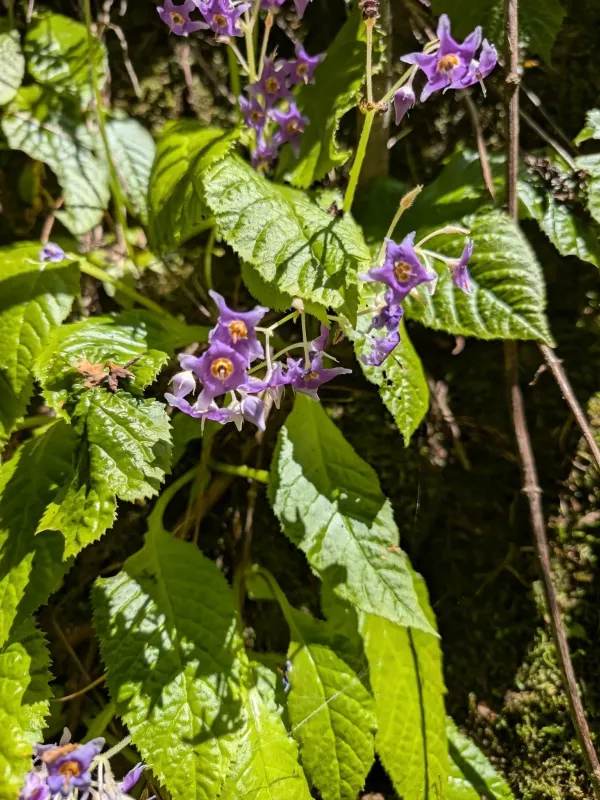
Description
Growing requirements
Conandron ramondioides is a perennial herbaceous plant belonging to the Gesneriaceae family. As the only species in its genus, it is highly regarded by botanists and collectors for its distinctive botanical characteristics and its unique evolutionary position.
The plant is native to the temperate and subtropical regions of Japan, Taiwan, and Korea. In its natural habitat, it typically grows in humid, rocky mountain environments, often anchoring itself in crevices near waterfalls or in deep forest shade.
Cultivation requirements for this species include high humidity and shaded light conditions. It is essential to avoid direct exposure to sunlight, as the foliage is prone to scorching, which inhibits the plant's ability to photosynthesize effectively during the summer months.
The soil must be light, porous, and consistently moist but well-drained. A mixture consisting of leaf mold, peat moss, and volcanic gravel or perlite provides the necessary aeration and moisture retention required for the healthy development of its delicate root system.
In terms of practical use, Conandron ramondioides serves as a specialized ornamental plant for rock gardens and terrariums. Its attractive rosette form and delicate, star-shaped flowers make it a preferred choice for growers interested in preserving rare Asian flora.
Main diseases and pests
The main threats to the plant's health include fungal pathogens triggered by poor ventilation and waterlogged substrate. Root rot is a significant risk that often leads to irreversible tissue damage if moisture levels are not carefully managed.
Regarding pest management, slugs and snails are the most prominent threats, as they are attracted to the succulent-like foliage. Additionally, in indoor or greenhouse settings, spider mites may appear if the ambient air becomes too dry and stagnant, requiring humidity control.