
Columnea oerstediana
Columnea oerstediana
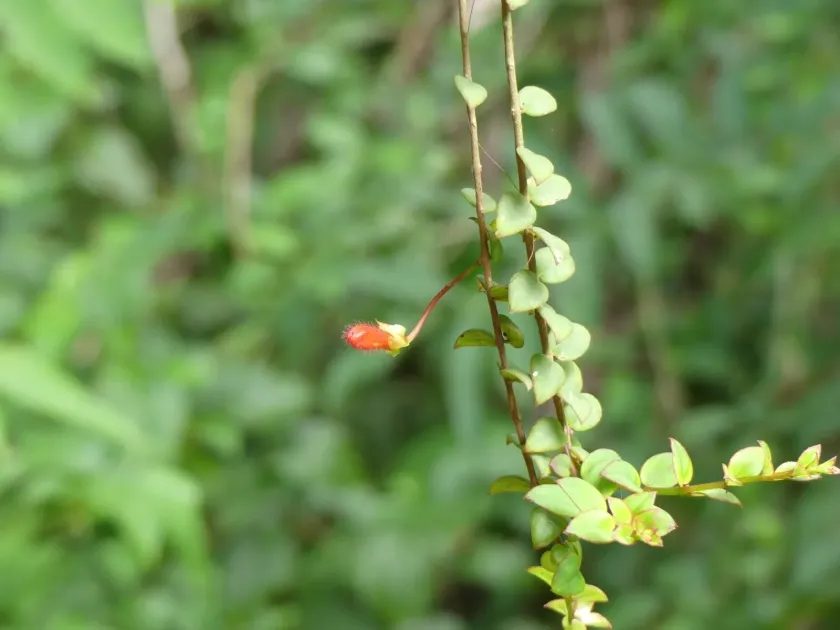
Description
Growing requirements
Columnea oerstediana is a prominent member of the Gesneriaceae family, naturally found in the tropical cloud forests of Central America. As an epiphyte, it has evolved to thrive in environments with high humidity and consistent tropical temperatures.
For successful cultivation, provide the plant with bright, indirect light. While these plants require significant energy for blooming, direct solar exposure can easily scorch their delicate foliage, making filtered light essential for optimal growth.
Temperature management is critical for this species. It prefers a range between 20°C and 25°C. Exposure to sudden cold snaps or drafty conditions can cause immediate shock, leading to leaf drop and a halt in flower production during the active season.
The planting medium must be highly porous and well-draining. A mix consisting of peat moss, perlite, chopped orchid bark, and sphagnum moss creates the necessary aeration for the roots to breathe while maintaining the needed moisture level.
High humidity, typically above 60 percent, is a non-negotiable requirement for this plant. Utilizing a humidifier or placing the plant in a terrarium setting helps recreate the misty conditions of its native habitat, ensuring healthy development of its cascading stems.
Main diseases and pests
Spider mites are the most persistent pest for Columnea oerstediana, especially in indoor environments where air tends to be dry. These tiny pests thrive under these conditions, quickly draining sap from the leaves and causing them to discolor.
Mealybugs can also infest the plant, usually gathering in the leaf axils or along the stems. Regular monitoring of the foliage and stems is vital; mechanical removal or specific systemic insecticides should be used at the first sign of an outbreak.
Root rot is the primary physiological threat, often caused by overwatering or poor drainage systems. When the roots remain in a saturated environment for too long, they lose the ability to absorb nutrients, leading to rapid decay of the entire plant.
Fungal issues, such as Botrytis or gray mold, may develop if the foliage remains wet for extended periods in stagnant air. Proper spacing and good air circulation are the best defensive measures against these pathogenic fungi.
Maintaining a balanced nutrition program with phosphorus-rich fertilizers supports plant vigor and disease resistance. Healthy plants are inherently more resilient against common indoor pests and environmental stressors, leading to more abundant annual blooming.