
Columnea purpurata
Columnea purpurata
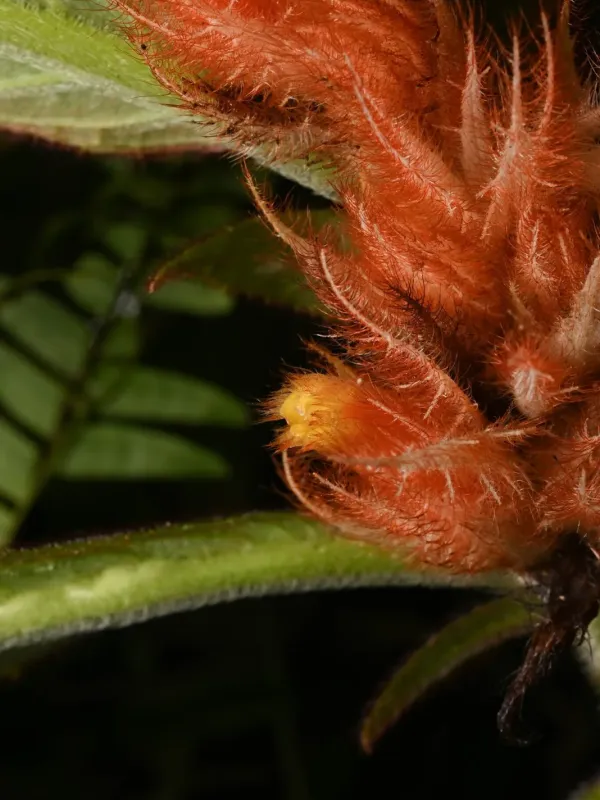
Description
Growing requirements
Columnea purpurata is a distinct species belonging to the Gesneriaceae family. Originating from the tropical forests of Central and South America, it functions as an epiphyte, naturally anchoring itself onto tree trunks and branches in high-humidity environments.
In terms of climate requirements, this culture thrives in temperatures ranging from 20 to 25 degrees Celsius. It is highly sensitive to cold drafts and sudden temperature fluctuations, which can negatively impact its growth cycle and flowering capability.
The soil for Columnea must be well-draining, loose, and slightly acidic. A mixture of peat moss, pine bark, perlite, and a small amount of charcoal is ideal for maintaining the structure and aeration required for epiphytic root health.
Light intensity is critical for the development of Columnea purpurata. It requires bright, indirect light to maintain its vibrant foliage and encourage flowering. Direct sunlight should be avoided to prevent tissue damage and scorching of the leaves.
Agrotechnical maintenance involves regular watering with tepid, soft water. The substrate should remain consistently moist but never waterlogged. High ambient humidity, achieved through misting or a pebble tray, is essential for the plant's overall vitality.
Main diseases and pests
The primary threats to Columnea purpurata are associated with improper watering, specifically root rot caused by poor drainage. Excess moisture creates an anaerobic environment that fosters the growth of destructive soil-borne fungi.
Spider mites are the most common pest, particularly in environments with low air humidity. They colonize the undersides of leaves, causing mottled discoloration and eventual leaf drop if left unchecked for an extended period.
Mealybugs are another persistent threat. These insects hide in the leaf axils and stems, secreting a waxy substance that attracts secondary mold growth. Manual removal combined with systemic insecticidal soap application is the standard control method.
Fungal leaf spot diseases can occur if the foliage remains wet for too long in poorly ventilated areas. Ensuring proper airflow and avoiding overhead watering are crucial preventive measures for maintaining a healthy and disease-free plant.
Infected plants should be immediately quarantined to prevent the spread of pests to other crops. Regular monitoring and maintaining optimal environmental parameters are the most effective strategies for long-term health and sustainable cultivation.