
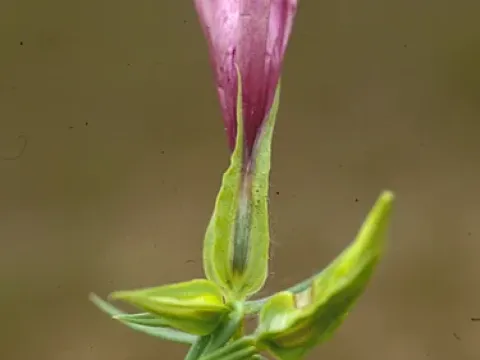
Schultesia
Schultesia
Schultesia is a genus of annual herbaceous plants belonging to the Gentianaceae family. Native primarily to the tropical and subtropical regions of the Americas, these plants are well-adapted to warm climates and high-light environments.
What the section contains


Schultesia
Successful cultivation of Schultesia requires well-draining, nutrient-rich soil with a neutral to slightly acidic pH. The plant thrives in environments that provide consistent moisture without the risk of waterlogging, which is essential for maintaining a healthy root system.
Botanically, Schultesia is characterized by its distinct floral structures typical of Gentianaceae. As an annual, its life cycle is focused on rapid growth and seed production, making it responsive to photoperiodic conditions and adequate solar radiation.
The agricultural management of this genus involves maintaining stable temperatures, as the plant is sensitive to frost and extreme cold. Greenhouse cultivation is often preferred in temperate zones to ensure the plants complete their vegetative cycle successfully.
Economically, Schultesia is valued in botanical research and potentially in the pharmaceutical industry due to the presence of secondary metabolites. Its utility continues to be studied for its secondary compounds and specific medicinal potential.
Fungal infections pose the most significant threat to Schultesia, especially in humid conditions where air circulation is limited. Root rot pathogens can destroy a population quickly if soil moisture management is neglected.
Common pests such as spider mites and aphids are frequent challenges for this crop. These insects can cause significant damage to the foliage, reducing the plant's overall vigor and capacity for reproduction.
Weed infestation during the early growth stages is detrimental, as Schultesia requires clean conditions to establish its root system and maximize leaf development. Mechanical weeding or careful mulching is recommended.
Viral pathogens, often transmitted by insect vectors, can cause mosaic patterns and stunted growth, severely impacting the quality of the harvested biomass or seed yield.
Implementing a comprehensive Integrated Pest Management (IPM) strategy, including sanitation, regular scouting, and the application of organic fungicides, is crucial for securing the health of the plants.