
Pyrenean gentian
Gentiana pyrenaica
Description
Growing requirements
Pyrenean gentian (Gentiana pyrenaica) is a member of the Gentianaceae family. It is an alpine perennial native to high-altitude regions in the Pyrenees, Caucasus, and Turkey, characterized by its adaptation to rocky, nutrient-poor, and harsh mountain environments.
The plant exhibits a low-growing, compact growth habit with linear foliage forming dense mats. This botanical structure is an adaptation to high wind exposure and low temperatures, allowing the plant to retain heat and moisture near the ground level.
In terms of agricultural and horticultural requirements, Pyrenean gentian demands well-drained, gritty, or rocky soils. It does not tolerate waterlogging, which necessitates the use of a substrate with a high percentage of mineral components, such as perlite or coarse sand.
Light intensity is critical for the healthy development of this species. It requires full sunlight to initiate flowering and maintain compact growth. Partial shade is generally insufficient for Pyrenean gentian and often results in leggy, non-flowering specimens.
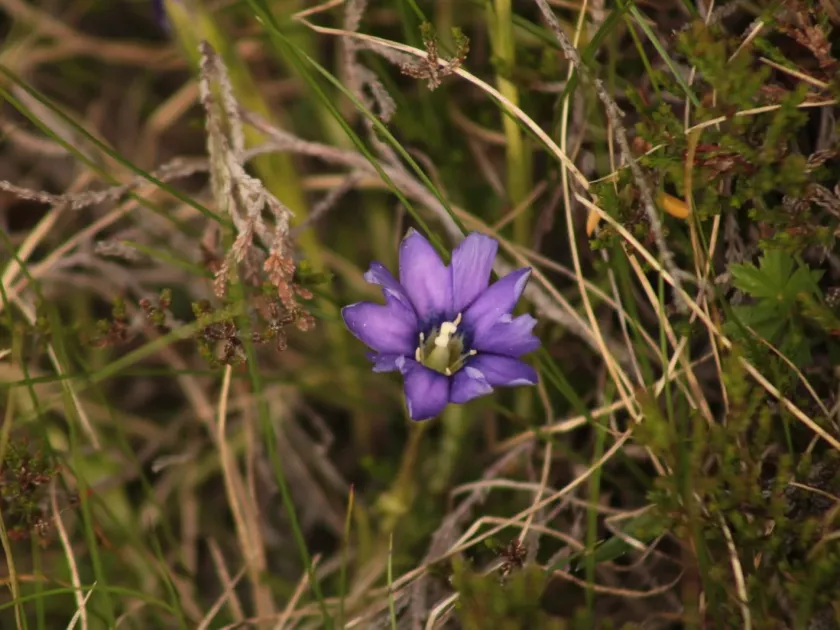
Economically, this plant is used exclusively as an ornamental specimen in specialized gardens. It is highly prized by alpine plant enthusiasts and professional landscapers for its striking violet-blue flowers, which provide significant aesthetic value in rock garden settings.
Main diseases and pests
The primary threats to this culture are fungal diseases, particularly crown and root rot, caused by stagnant water in the soil. Maintaining a strict watering regimen and ensuring rapid water drainage are crucial preventive measures.
Garden pests such as slugs and snails represent a constant threat to the foliage. These pests can rapidly defoliate the plant, especially during damp seasons, requiring the use of mechanical barriers or molluscicide bait for effective management.
Aphids can also colonize the plant, feeding on the nutrient-rich sap within the developing flower buds. Regular monitoring and the application of targeted insecticides help prevent damage to the reproductive parts of the plant.
Environmental stress caused by extreme heat and drought can lead to wilting and leaf scorch. Providing a cool, alpine-like microclimate is essential for long-term plant survival in lower-altitude garden environments.
Winter desiccation is another potential threat. While the plant is cold-hardy, exposure to drying winds without the protection of snow cover can dehydrate the plant tissue, leading to localized dieback during the late winter months.