
Schultesia stenophylla
Schultesia stenophylla
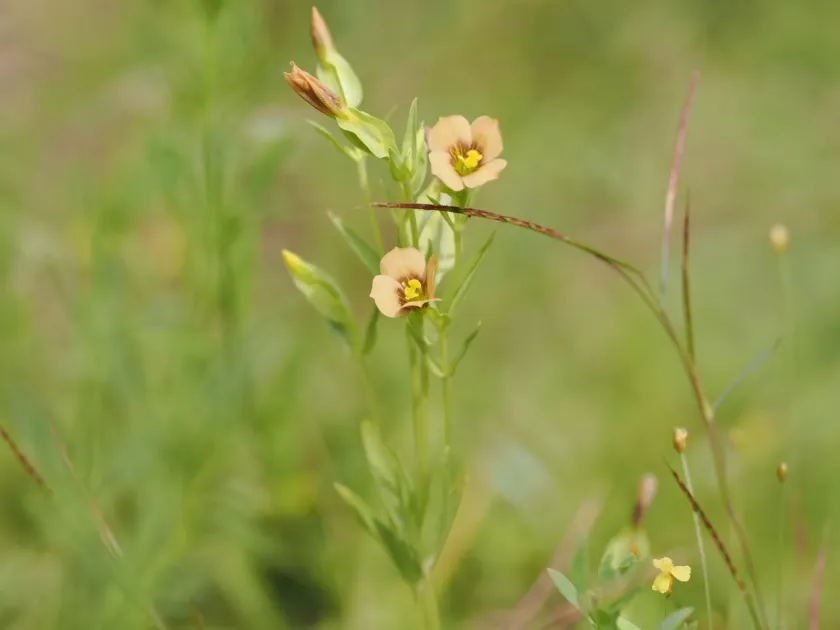
Description
Growing requirements
Schultesia stenophylla is a herbaceous plant belonging to the Gentianaceae family. Native to tropical and subtropical regions of the Americas, this species is typically found in savanna-like ecosystems and open grasslands where environmental conditions are variable.
Botanically, the plant is characterized by its erect stems and narrow leaves, which are well-adapted to high levels of evapotranspiration. Its structure allows it to thrive in open spaces under the direct influence of intense tropical sunlight.
Agricultural success depends on providing full sun exposure. The plant requires a location with maximum solar radiation to ensure proper vegetative growth and to promote the development of its characteristic flowers.
Soil requirements are centered on well-drained, nutrient-rich substrates with a slightly acidic pH. Avoiding waterlogging is critical, as the root system of Schultesia is highly susceptible to hypoxia if grown in heavy, compacted soils.
Climate adaptation requires a warm, tropical environment with distinct seasonal patterns. Temperatures should remain consistently between 22 and 30 degrees Celsius for optimal metabolic activity and overall crop health.
Main diseases and pests
Root rot caused by fungal pathogens is the primary threat to the crop, especially in poorly drained soils. Excessive irrigation or prolonged rainfall without adequate soil permeability can quickly lead to systemic plant failure.
Pests such as spider mites and various thrips species can cause significant damage during dry, stressful periods. Integrated pest management strategies are advised to maintain crop vitality without relying solely on harsh chemical interventions.
Fusarium wilt represents a significant risk in areas where crop rotation is not strictly practiced. Pathogens can persist in the soil for several seasons, making site selection and soil sterilization essential practices for successful production.
Weed competition is particularly challenging during the establishment phase of the crop. Implementing consistent weeding programs or using organic mulching helps reduce competition for resources and ensures better air circulation around the plants.
Preventative measures, including maintaining optimal planting densities, are essential to avoid the buildup of excessive humidity within the canopy. Proper spacing significantly reduces the risk of foliar diseases and fungal outbreaks.