
Schultesia guyanensis
Schultesia guyanensis
Description
Growing requirements
Schultesia guyanensis is an annual herbaceous plant belonging to the Gentianaceae family. It is native to tropical regions of Central and South America, where it thrives in diverse environments ranging from disturbed savannahs to moist grasslands.
The plant demonstrates remarkable tolerance to low-fertility soils and acidic conditions, which are common in many tropical ecosystems. Its root system is adapted to extract nutrients efficiently, allowing it to survive in challenging edaphic conditions where other species might fail.
Climatically, Schultesia guyanensis requires a warm environment with high humidity during its growth phase. It is a heliophilous species, meaning it demands full sunlight to reach its reproductive potential and produce viable seeds during the tropical rainy season.
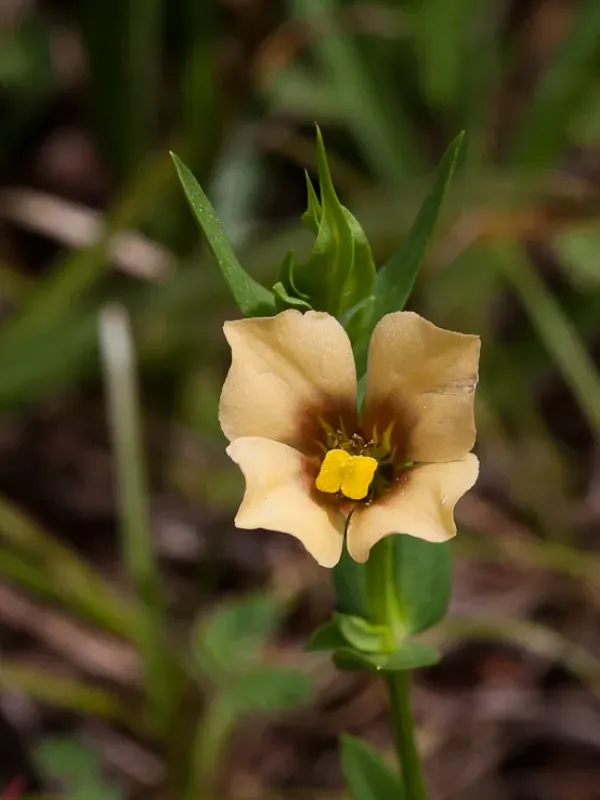
Botanically, it is recognized by its erect, simple or branched stems and opposite leaves. The flowers are typically trumpet-shaped, a distinctive trait of the gentian family, which attracts specialized pollinators necessary for effective seed setting.
In terms of agricultural utility, while not a mainstream staple crop, it serves as a valuable forage component in native grazing systems. Its ability to colonize and cover bare ground makes it useful for land restoration projects in degraded agricultural zones.
Main diseases and pests
Fungal pathogens represent the primary threat to Schultesia guyanensis cultivation, particularly in areas with poor drainage and stagnant moisture. These conditions can lead to rapid onset of root and stem rots, which are difficult to manage once established.
Pest pressure from various tropical insects, including leaf-chewing caterpillars, can severely impact the biomass production. Monitoring the crop for early signs of infestation is essential, as the young seedlings are particularly sensitive to localized insect damage.
Weed competition is a significant challenge during the early stages of establishment. Because the seedlings are relatively slow to develop initially, the presence of fast-growing weeds can suppress their growth and significantly reduce the overall stand density.
Nutrient imbalance caused by excessive chemical fertilization can compromise the plant's natural resistance mechanisms. It is recommended to use moderate fertilization rates to maintain a balance between foliage production and the plant’s internal physiological health.
Environmental stress, such as unseasonal drought or excessive temperature fluctuations, can impact plant vigor. Implementation of proper soil management practices, such as maintaining soil cover, helps to mitigate these fluctuations and supports steady crop growth.