
Snow gentian
Gentiana nivalis
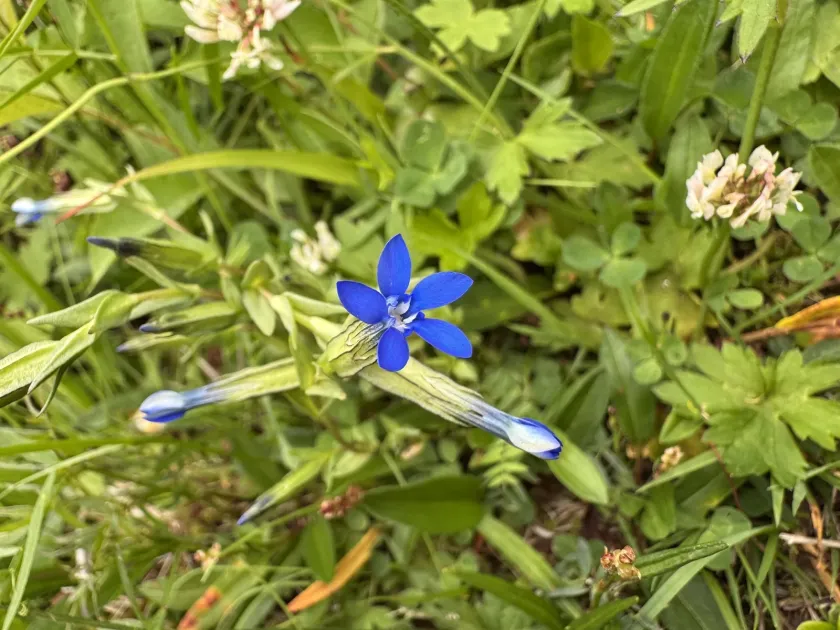
Description
Growing requirements
Snow gentian (Gentiana nivalis) belongs to the Gentianaceae family. It is a classic representative of high-mountain flora, with a natural range covering arctic and alpine regions across Europe and Asia.
The plant is an annual or biennial herbaceous crop featuring a short stem and characteristic bright blue, funnel-shaped flowers. In nature, it prefers limestone soils, well-drained slopes, and areas with sufficient moisture but no water stagnation.
This crop is extremely sensitive to temperature. It develops successfully only under conditions of cool summers and high air humidity, which makes it difficult to cultivate in lowland climates with hot summer periods.
For successful growth, the snow gentian requires soils with a neutral or slightly alkaline pH. In horticultural practice, the substrate must be as close as possible to natural mountain conditions, ensuring high aeration for the root system.
The commercial use of the gentian is limited to ornamental purposes, mainly for rock gardens, alpine slides, and specialized nurseries focusing on rare high-altitude plant species.
Main diseases and pests
The main threat to the plant is root rot, caused by excessive soil moisture and poor drainage. It is crucial to monitor moisture levels to prevent the substrate from becoming waterlogged.
Among pests, snails and slugs are frequently found on gentian plantings, as they damage delicate leaves and young shoots. It is recommended to use barrier protection methods or specialized molluscicides.
The plant can also be affected by aphids during active growth periods. Timely treatment with systemic insecticides helps prevent damage to the inflorescences.
Disease prevention consists of strictly adhering to temperature regimes and ensuring free airflow around the plant rosettes.
Failure to meet agrotechnical requirements regarding lighting and watering leads to stem elongation and loss of decorative qualities, making the crop vulnerable to secondary infections.