
Schleichers Gentian
Gentiana schleicheri
Description
Sowing dates
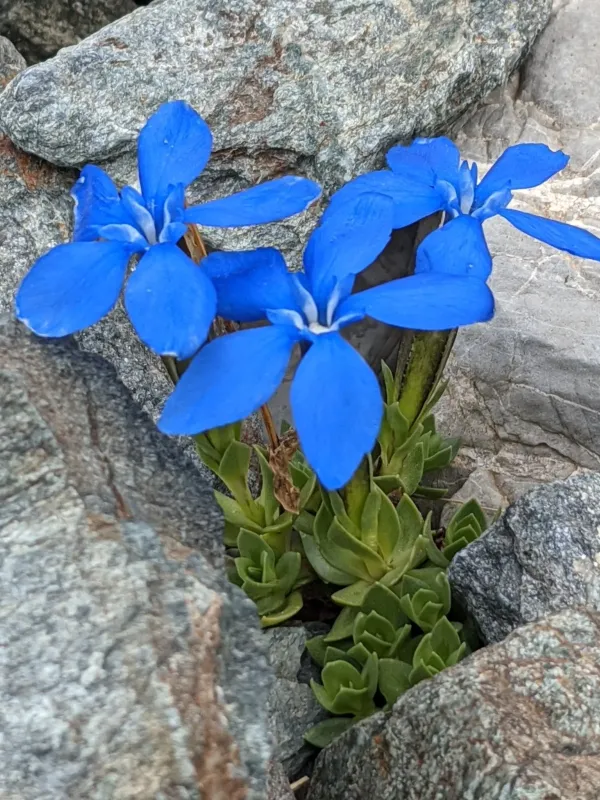
Schleichers Gentian (Gentiana schleicheri) is a rare herbaceous perennial belonging to the Gentianaceae family. It is native to the high-altitude alpine regions of Europe, where it thrives in rocky mountain soil.
Propagation is typically done through seeds, which require a cold stratification period of several months to overcome dormancy. Sowing should be performed on a surface-level basis, as the seeds need light for successful germination.
Seedlings develop slowly, requiring a well-drained, nutrient-poor substrate. Careful handling during transplanting is necessary to avoid damaging the delicate root system of the young plants.
The ideal time for starting seeds indoors is late winter, allowing the plants to establish before the heat of summer. High humidity should be maintained during the initial stages of germination.
When moving plants outdoors, they should be hardened off gradually to adapt to outdoor UV levels and fluctuations in ambient temperature.
Growing requirements
This species requires specific environmental conditions that mimic its natural alpine habitat. It prefers cool temperatures, high light intensity, and well-aerated, rocky, limestone-based soil.
Drainage is the most critical factor for success. The soil must be exceptionally permeable to prevent root rot, which is the primary cause of mortality in cultivated specimens.
While the plant needs moisture, it must not be waterlogged. Mulching with grit or fine gravel is highly recommended to protect the root crown from excess moisture and heat.
Fertilization should be kept to a minimum. Gentians are adapted to nutrient-poor soils; an excess of nitrogen can lead to succulent, weak growth that is prone to pests and winter damage.
Consistent airflow around the base of the plant is vital to prevent fungal issues. Planting in open, well-ventilated areas or rock gardens provides the best results for long-term health.
Main diseases and pests
Slugs and snails are the most significant pests for Schleichers Gentian, as they feed on the soft tissue of leaves and young buds. Physical barriers or organic baits are often necessary in wetter climates.
Fungal diseases, including crown rot and leaf spots, represent a major threat when the plant is exposed to humid, stagnant conditions. Avoid overhead watering to keep the foliage dry.
Root rot caused by poor soil drainage can kill plants quickly. If the soil remains saturated for too long, the plant's ability to take up nutrients is compromised, leading to rapid decline.
Aphids may occasionally target the developing flower buds. While rarely fatal, they can cause malformation of the blooms and should be managed with mild horticultural soaps if numbers are high.
Regular maintenance, including the removal of debris and keeping the surrounding area free of vigorous weeds, is essential to ensure the plant remains vigorous and disease-free.