
Soapwort gentian
Gentiana saponaria
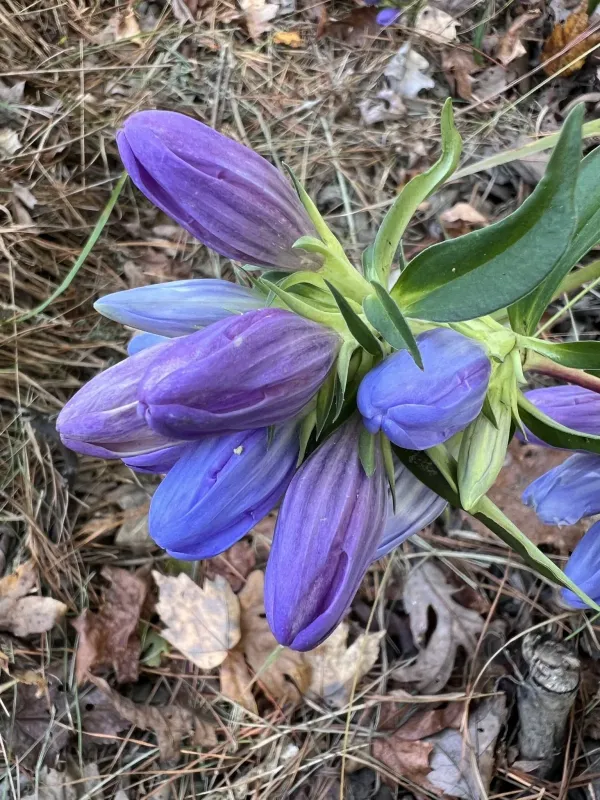
Description
Sowing dates
Soapwort gentian seeds require a period of cold stratification to break dormancy, so sowing in late autumn is highly recommended for best results.
When sowing in trays, place the seeds on the surface of a moist, well-draining soil mix without covering them, as they need light to germinate properly.
If spring sowing is preferred, you must artificially stratify the seeds by keeping them in a refrigerator for at least two to three months before sowing.
Maintain consistent humidity for the seed trays and ensure the temperature remains cool, as heat often inhibits the germination process of this species.
Transplanting seedlings into the garden should be handled with extreme care to avoid damaging the delicate root systems that are prone to shock.
Growing requirements
Gentiana saponaria is a hardy perennial belonging to the Gentianaceae family, known for its preference for moist, slightly acidic to neutral soil types.
The plant thrives in partial shade where the soil moisture is consistent, though it can tolerate some sun if the ground is kept sufficiently damp.
Excellent soil drainage is essential; while the plant loves water, stagnant conditions can quickly lead to root rot and other physiological problems.
Applying a layer of organic mulch around the base of the plant helps to regulate soil temperature and maintain the required moisture levels during summer.
This species is highly cold-hardy and can withstand harsh winter climates, making it a reliable choice for gardens in various temperate hardiness zones.
Main diseases and pests
Fungal pathogens such as leaf spot and various types of rot are the most common health issues for soapwort gentian, especially in poorly ventilated sites.
Slugs and snails are major pests that can strip the foliage of young plants overnight, requiring the use of barriers or organic deterrents.
Aphids occasionally infest the flowering stems, sucking sap and causing the buds to weaken or fail to open fully during the peak bloom period.
Poor soil aeration and waterlogged ground are primary environmental stressors that invite root pathogens and decrease the plant's overall vigor.
Regular monitoring of the underside of the leaves is advised to detect early signs of spider mite activity, particularly during periods of prolonged drought.
Harvesting
Harvesting seeds requires careful timing; collect the pods as they begin to dry and turn brown, but before they split open and release their contents.
If the plant is grown for medicinal purposes, the roots are typically harvested in the autumn after the foliage has matured and died back naturally.
For ornamental use, stems should be harvested early in the morning when the buds are just beginning to open to ensure maximum vase life.
Dividing established clumps every few years helps rejuvenate the plants and maintains a vigorous growth pattern, preventing overcrowding in the garden.
Ensure that all harvested botanical material is dried in a dark, well-ventilated space to preserve the active compounds and prevent mold growth.