
Sebaea
Sebaea
The genus Sebaea belongs to the Gentianaceae family, comprising a variety of annual and perennial herbaceous species. These plants are primarily distributed across the Southern Hemisphere, including notable populations in South Africa, Australia, and certain parts of tropical Asia, where they inhabit diverse ecological niches.
What the section contains
Sebaea
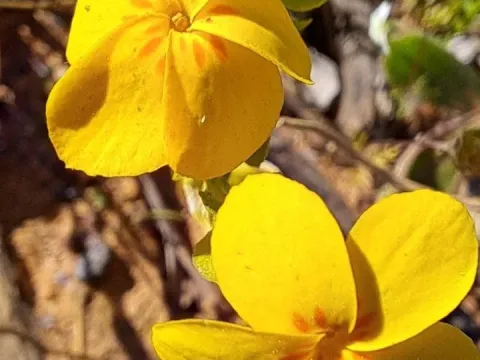
Botanically, Sebaea is characterized by its opposite leaves and vibrant, typically yellow or white flowers. The blossoms are often tubular or funnel-shaped, arranged in cymes or solitary structures. These features contribute to their distinct appearance, making them subjects of interest in botanical taxonomy.
Cultivation of Sebaea requires meticulous attention to soil drainage. As plants adapted to specific moisture regimes, they thrive in well-drained, porous substrates. Overwatering or heavy, waterlogged soils are detrimental to root health and can lead to rapid decline or decay of the plant tissue.
Climate conditions play a critical role in the successful management of the crop. Sebaea requires significant solar exposure to maintain vigorous growth and produce healthy flowers. Protection from extreme cold is essential, as most species in this genus are not frost-hardy and require temperate or controlled environments.
Current agricultural and horticultural usage remains specialized. While primarily valued for its ornamental potential in niche gardens, the genus is also studied for its chemical profile. Like many members of the Gentianaceae family, Sebaea species may contain bitter compounds and metabolites of interest to botanical and pharmacological researchers.