
Purple gentian
Gentiana purpurea
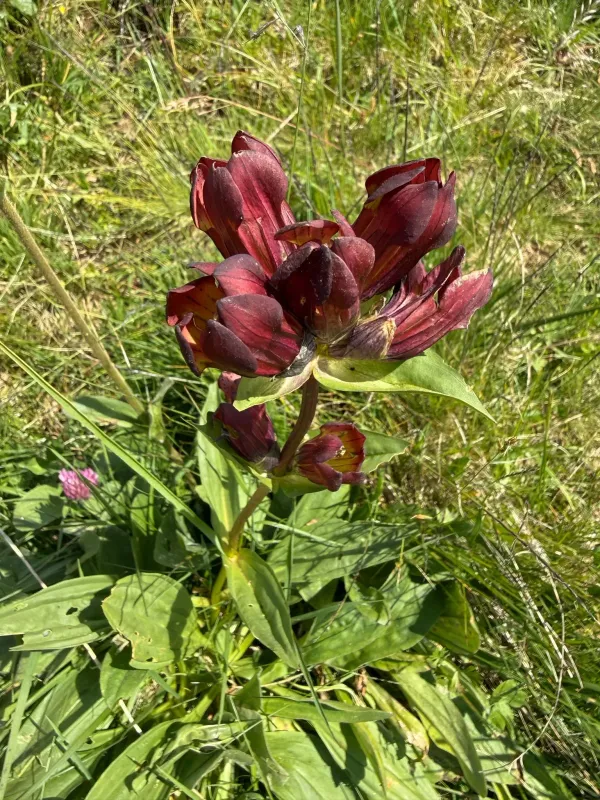
Description
Sowing dates
Seeds of the purple gentian are characterized by a long period of dormancy and low germination energy, making autumn sowing directly into the soil the most natural method.
If spring sowing is planned, seeds must undergo artificial stratification at temperatures ranging from 0 to +4 degrees Celsius for at least 8–12 weeks before planting.
Sowing should be performed superficially because the seeds are extremely small and light-sensitive; they should only be gently pressed into the moist substrate.
Using a greenhouse or seed trays filled with a light, peaty soil mix provides better control over moisture levels, which is crucial for successful seed emergence.
Transplanting the young seedlings to their permanent location in the field is best done after their first year, once the root system has sufficiently matured.
Growing requirements
The purple gentian is an alpine plant by nature, requiring cool summers, high humidity, and protection from intense, direct midday solar radiation.
The ideal soil for cultivation is fertile, well-drained, and rich in humus, with a neutral to slightly acidic pH, mimicking its natural mountain meadow habitat.
While the plant requires consistent moisture, it is highly sensitive to waterlogging, which quickly causes root rot and the death of the specimen.
Areas with good air circulation are essential, as stagnant, humid air combined with heat can promote the development of various fungal pathogens.
In regions with drier summers, supplementary irrigation is mandatory to maintain the necessary soil moisture levels for healthy plant development throughout the season.
Yield
The primary economic output of purple gentian is its roots, which are harvested for their bitter glycosides used in medicinal and beverage industries.
The wait for the first harvest is significant, typically requiring 4 to 6 years of growth to ensure the roots have developed sufficient mass and active compounds.
Proper field management, including optimal plant density and weed control, is essential to achieve a commercially viable dry root yield per hectare.
Yield stability depends on maintaining a healthy, pathogen-free environment, as the slow growth rate makes the crop vulnerable to competition from weeds.
Sustainable cultivation practices involve selective harvesting, which ensures that some specimens remain for seed production and population regeneration.
Main diseases and pests
Fungal diseases, especially root and neck rot, pose the greatest threat to commercial gentian fields, particularly in areas with poor drainage or excess moisture.
Gastropods like slugs and snails represent a major pest risk, frequently damaging tender young leaves and significantly impacting the growth of the herb.
Poor ventilation within the rows can trigger the spread of leaf spots, which compromise the plant's photosynthetic ability and reduce overall root vitality.
Prevention relies on careful site selection, strictly maintaining soil drainage, and regular inspection of the plantation for early signs of infection or pest presence.
Integrated pest management, favoring mechanical weeding and natural barriers, is preferred over synthetic chemicals to ensure the final product quality for herbal use.
Harvesting
Harvesting takes place in late autumn when the above-ground parts of the plant wither, signaling that nutrients have been concentrated in the rhizomes.
Roots are excavated, thoroughly washed to remove dirt, and carefully trimmed to ensure only high-quality herbal material is sent for further processing.
Immediate drying in well-ventilated, shaded areas or industrial dryers at temperatures below 50 degrees Celsius is critical to preserve the bitter components.
Final product quality assessment focuses on the purity of the roots and the concentration of active substances, ensuring the batch meets industrial standards.
Dry storage must be kept in cool, dark, and dry conditions to prevent the degradation of medicinal compounds and protect the raw material from pests.