
Weberocereus tunilla
Weberocereus tunilla
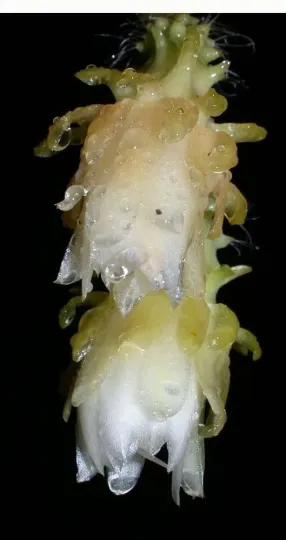
Description
Sowing dates
Propagation of Weberocereus tunilla in cultivation is most commonly performed vegetatively, using stem cuttings. The optimal time for rooting is during the active growth season, which corresponds to the spring months when day length and temperatures increase.
Seed propagation is practiced less frequently and requires strict adherence to substrate sterility. Seeds should be sown in a loose, well-draining potting mix based on peat and sand, maintaining stable humidity under glass or plastic film.
Before planting, it is recommended to dry the cuttings for several days until a callus forms to prevent the rotting of succulent tissues when they come into contact with moist substrate.
Young plants require gradual adaptation to high light conditions, as direct sunlight can cause burns on the tender stems of young specimens.
When grown for collection or commercial purposes, regular repotting is essential, as the plant actively develops its root system and requires a larger container as the vine grows.
Growing requirements
Weberocereus tunilla belongs to the Cactaceae family and is a typical epiphytic or semi-epiphytic plant native to the tropical forests of Costa Rica. Its natural habitat in humid forest zones dictates its need for high atmospheric humidity.
This culture prefers bright but indirect light. In conditions of insufficient light, the stems become thin and stretched, which negatively affects the plant's decorative qualities and its ability to bear fruit.
The soil should be light, nutrient-rich, and have a distinct slightly acidic reaction. Ideal mixtures are based on leaf mold, charcoal, conifer bark, and perlite to ensure proper root aeration.
The temperature regime for this species should remain consistently warm, within the range of 20–28 degrees Celsius. The plant is extremely sensitive to low temperatures and cannot withstand even brief frosts, which lead to irreversible tissue damage.
Irrigation should be moderate but regular: the surface of the substrate should dry out between waterings, but prolonged dehydration of the root ball is contraindicated due to the plant's epiphytic nature.
Harvesting
The primary economic interest in this culture lies in its edible fruits. Harvesting is carried out as the fruit reaches full maturity, when the peel acquires its characteristic color and becomes soft to the touch.
Weberocereus tunilla fruits possess a specific taste and aroma typical of many cactus fruits and are consumed fresh or used in the preparation of various desserts.
The harvesting process requires caution, as the stems and fruits may be covered with tiny glochids or fine spines that can cause skin irritation.
After picking, the fruits do not have a long shelf life, so they must be sold or processed immediately after harvest to prevent loss of marketability and freshness.
Regular harvesting encourages a prolonged fruiting period if optimal conditions are maintained to support the plant's vitality throughout the year.