
Weberocereus bradei
Weberocereus bradei
Description
Growing requirements
Weberocereus bradei is an intriguing species within the Cactaceae family, native to the humid tropical forests of Costa Rica. Unlike its desert-dwelling cousins, this plant has adapted to an epiphytic lifestyle, growing in the canopy and crevices of trees where it thrives in filtered light and high humidity.
To cultivate this species successfully, it is essential to provide a well-draining, airy substrate. A standard mix should include orchid bark, peat, and pumice to replicate its natural environment, ensuring that the roots remain aerated while retaining sufficient moisture for the plant's needs.
Temperature management is crucial for the health of Weberocereus bradei. It prefers a stable environment between 20°C and 28°C throughout the year. Cold drafts or sudden temperature drops should be avoided at all costs, as the plant is susceptible to cold-induced stress and fungal infections.
The watering schedule must balance humidity and drainage. The soil should remain consistently moist but never saturated. In indoor settings, maintaining a high level of ambient humidity is beneficial; using a fine misting spray on the stems can mimic the tropical moisture levels the plant expects.
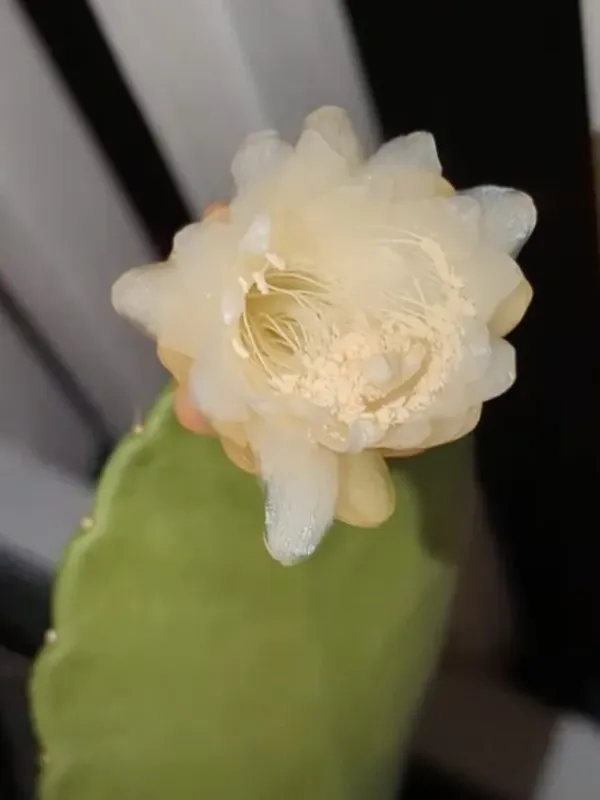
Botanically, Weberocereus bradei is recognized by its long, slender, often pendent stems. Its growth habit makes it an excellent choice for hanging baskets, allowing the stems to cascade naturally. The rare, nocturnal flowers are a highlight for botanical collectors, offering a delicate aesthetic value.
Main diseases and pests
The most significant threat to Weberocereus bradei is root rot, primarily caused by overwatering or poor drainage. Once the roots begin to decay, the infection can quickly spread to the lower stems, making recovery difficult if the condition is not addressed immediately.
Spider mites are a common pest that thrives in dry indoor environments. These microscopic insects feed on the plant's epidermis, causing unsightly yellow spotting and eventual structural damage. Maintaining adequate humidity levels is the best defense against these infestations.
Mealybugs are another potential nuisance. These pests reside in the crevices of the stems, where they secrete a white, cottony substance while feeding. Regular inspection is necessary to catch and treat infestations early, preventing them from weakening the cactus.
When chemical treatments are required, it is vital to select systemic insecticides formulated for succulents. Avoid heavy oils or soaps that could clog the stomata of the cactus skin, which is vital for the plant's respiration and overall health.
Ultimately, a successful health management strategy for Weberocereus bradei relies on proactive monitoring. Proper airflow, correct substrate moisture, and early detection of any discoloration are the fundamental pillars for maintaining a robust and thriving collection of this delicate epiphyte.