
Stephanocereus leucostele
Stephanocereus leucostele
Description
Growing requirements
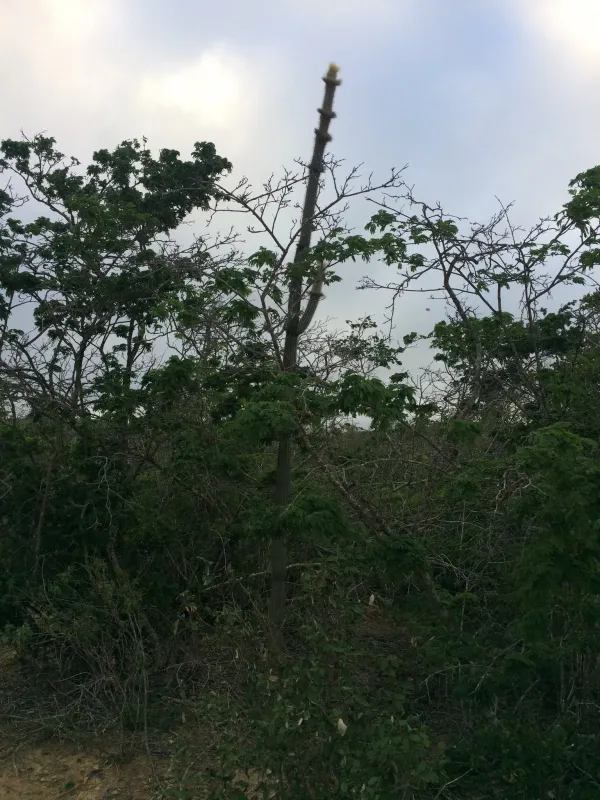
Stephanocereus leucostele is a striking columnar cactus belonging to the Cactaceae family. This species is native to the state of Bahia in Brazil, where it thrives in arid, rocky environments. Its ability to survive in nutrient-poor soils makes it a unique specimen for specialized cactus collections.
The plant is best known for its tall, columnar stem that eventually develops a prominent cephalium at the top. This cephalium, covered in dense, light-colored hairs and bristles, serves as the site for flower production. The structure of the stem and the cephalium provides the plant with a distinct, ornamental appearance.
For successful growth, Stephanocereus leucostele requires a highly permeable, gritty soil mix. A mixture of pumice, coarse sand, and a small amount of potting soil is recommended to ensure rapid drainage. Any organic matter should be kept to a minimum to avoid promoting soil-borne pathogens.
The cactus demands full exposure to direct sunlight throughout the year. Insufficient light results in etiolation, where the stem becomes thin and weak. In cultivation, high light intensity is necessary to maintain the plant's characteristic robust growth and dense spine development.
Watering requirements depend strictly on the seasonal cycle. During the growing season, water thoroughly but only when the soil has completely dried out. In the winter, the plant requires a period of dormancy in a cool and dry environment to prevent premature growth and potential root damage.
Main diseases and pests
The primary threats to Stephanocereus leucostele are fungal pathogens linked to overwatering. Root rot and stem rot are lethal if moisture remains in the pot for extended periods. Once established, these diseases are often difficult to reverse, making prevention the best strategy.
Insect pests, particularly mealybugs and spider mites, are frequent challenges. These pests often congregate near the sensitive cephalium or within the rib crevices, draining the plant's sap and causing visible scarring or stunted growth if left unmanaged.
Control measures involve applying systemic insecticides or specialized acaricides. It is critical to perform regular inspections, especially around the cephalium area, to detect early infestations before they spread to the rest of the cactus stem.
Physiological issues may occur if the plant is exposed to sudden environmental changes, such as moving from low to very high light conditions too quickly. Sunscald can cause permanent tissue damage, which may subsequently become a site for fungal invasion.
Preventative care also involves maintaining good airflow around the cactus. Proper ventilation helps regulate humidity levels and prevents the development of mold or lichen on the surface of the stem, which can interfere with the plant’s gas exchange and overall vitality.