
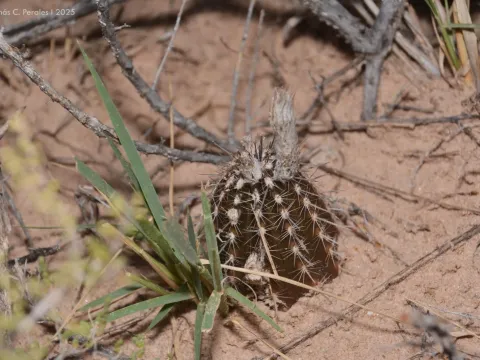
Setiechinopsis
Setiechinopsis
Setiechinopsis is a genus of cacti belonging to the Cactaceae family, primarily represented by the species Setiechinopsis mirabilis. Native to the arid landscapes of Argentina, this plant is well-adapted to surviving in harsh, rocky soil conditions with fluctuating temperature regimes.
What the section contains

Setiechinopsis
The culture thrives under high-intensity light conditions. To maintain a healthy, columnar structure, the plant requires consistent exposure to direct sunlight. In indoor environments, placing the specimen in a south-facing location is essential to prevent etiolation.
Soil requirements are strict: the substrate must be inorganic and extremely well-draining. A typical mix includes coarse sand, crushed gravel, and pumice, ensuring that water passes through quickly to prevent root suffocation or decay.
Climatic requirements involve a clear distinction between the growing and dormant seasons. During the active growth period, temperatures between 20°C and 30°C are preferred. During winter dormancy, the plant must be kept dry and cool, typically between 10°C and 12°C.
Watering is the most critical aspect of the plant's agrotechnology. The "soak and dry" method is recommended, allowing the substrate to become completely dehydrated before the next watering session. Excessive moisture is the primary cause of plant loss in this genus.
The most common disease affecting Setiechinopsis is stem and root rot. This usually occurs due to poor drainage or overwatering. Once rot reaches the core of the cactus, it is extremely difficult to save the plant, making prevention the best strategy.
Pests such as mealybugs often congregate in the crevices between the ribs. These sap-sucking insects can cause stunted growth and weaken the plant, making it more susceptible to secondary fungal infections.
Spider mites are another prevalent threat, especially in environments with low humidity. They typically attack the growing tips, causing brownish discoloration and preventing the formation of flowers.
Monitoring the plant's health involves periodic inspections of the stem for soft spots or abnormal color changes. Any sign of pest infestation should be treated immediately with appropriate systemic insecticides or targeted mite treatments.
Proper aeration is vital for the plant's health. Good air circulation in the greenhouse or living space helps keep the plant dry and reduces the chances of fungal outbreaks, ensuring the longevity of your Setiechinopsis.