
Selenicereus wercklei
Selenicereus wercklei
Description
Growing requirements
Selenicereus wercklei is a unique epiphytic cactus belonging to the Cactaceae family. In the wild, this species is native to the tropical flora of Central America, specifically thriving in the conditions of Costa Rica.
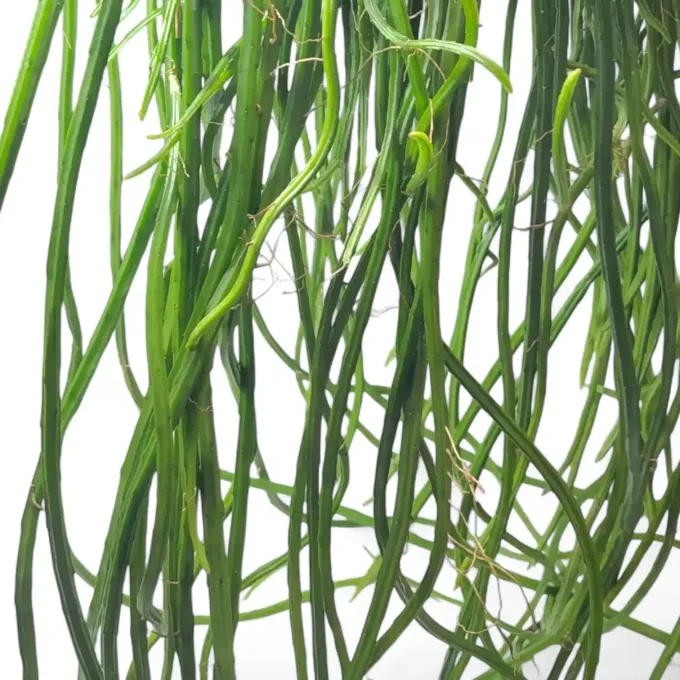
The plant is characterized by long, slender, trailing or climbing stems that require support for healthy development. Botanically, this species is distinguished by its specific areoles and a strong tendency for branching.
For successful cultivation, a warm and humid climate, similar to tropical environments, is necessary. The optimal temperature range during the active growing season is between +22 and +28 degrees Celsius, while avoiding direct sunlight that can cause burns.
The soil mixture for this species must have high air permeability and excellent drainage. It is recommended to use a substrate based on leaf mold, peat, and coarse sand with the addition of charcoal to prevent soil acidification.
Agrotechnics include regular but moderate watering, as waterlogging the substrate is detrimental to the root system. During the winter, the plant requires a dormant period with lower temperatures and minimal soil moisture.
Main diseases and pests
The primary threats to the health of Selenicereus wercklei are fungal diseases that develop when humidity levels are not properly managed. Root rot and fusarium often occur due to water stagnation in the tray or the use of non-sterile soil.
Among pests, spider mites and mealybugs pose the greatest danger. These insects multiply rapidly in dry air conditions and can cause severe damage to the delicate stems of the plant.
To prevent infestations, it is necessary to conduct regular inspections of the plant's aerial parts and ensure good ventilation in the room. Upon detecting the first signs of infestation, appropriate insecticides or acaricides should be applied immediately.
It is also important to maintain quarantine procedures when introducing new plants into a collection. Using quality planting material and regularly disinfecting tools helps to minimize the risks of pathogen development.
In cases of severe rot, immediate repotting is recommended, removing damaged root sections followed by treatment with systemic fungicides.