
Pereskiopsis kellermanii
Pereskiopsis kellermanii
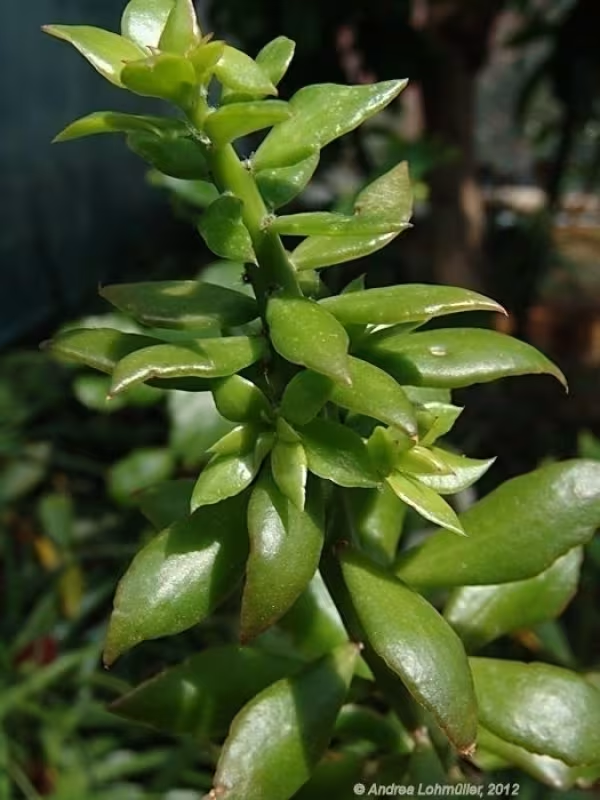
Description
Sowing dates
Propagation of Pereskiopsis kellermanii is primarily achieved through stem cuttings. This technique is highly efficient for rapidly producing a large volume of rootstock plants used in professional cactus grafting.
The optimal time for taking cuttings is during the peak growing season, specifically from late spring through mid-summer when the plant is most active and capable of rapid regeneration.
Cuttings should be 10–15 cm in length. It is crucial to allow the cut surface to callus for several days before placing it into the rooting medium to prevent rot.
The rooting substrate should consist of a sterile mix of perlite, vermiculite, and a small amount of peat moss to provide adequate aeration and moisture retention for new root development.
Maintaining a stable temperature of approximately +25 degrees Celsius and high humidity during the initial stages ensures the highest success rate in vegetative propagation.
Growing requirements
Pereskiopsis kellermanii belongs to the Cactaceae family. Unlike many other cacti, it retains functional leaves, which contribute to its exceptionally fast growth rate and high metabolic activity.
This species requires high light intensity to maintain a sturdy stem. Without sufficient light, the plant will become spindly and fragile, making it unsuitable for grafting purposes.
Soil requirements focus on excellent drainage and a neutral to slightly acidic pH. The plant thrives in an airy, mineral-rich medium that prevents waterlogging while providing essential nutrients.
Regular watering is necessary during the growing season. As a cactus with active foliage, it transpires more than leafless varieties, meaning it needs consistent moisture but with excellent drainage.
In agriculture and horticulture, this plant is primarily used as a rootstock for grafting slow-growing or sensitive cactus species, significantly shortening the time to maturity and blooming.
Main diseases and pests
Spider mites are the most persistent pest, particularly in greenhouse conditions with low humidity. They feed on the succulent tissues, leading to discoloration and stunted growth.
Root rot is a major threat caused by poor soil drainage or overwatering. Once rot reaches the vascular system, the plant typically declines rapidly and cannot be easily saved.
Mealybugs can infest the leaf axils and stem joints. Their presence can introduce secondary bacterial infections, which are particularly damaging to the plant's structural integrity.
Fungal leaf spots can occur if airflow is poor and the plants are kept too crowded. Proper spacing and ventilation are essential to mitigate these risks in large-scale nursery production.
Integrated pest management, including routine inspections and the use of insecticidal soaps or systemic treatments, is vital for maintaining healthy stocks of Pereskiopsis kellermanii.