
Pereskiopsis spathulata
Pereskiopsis spathulata
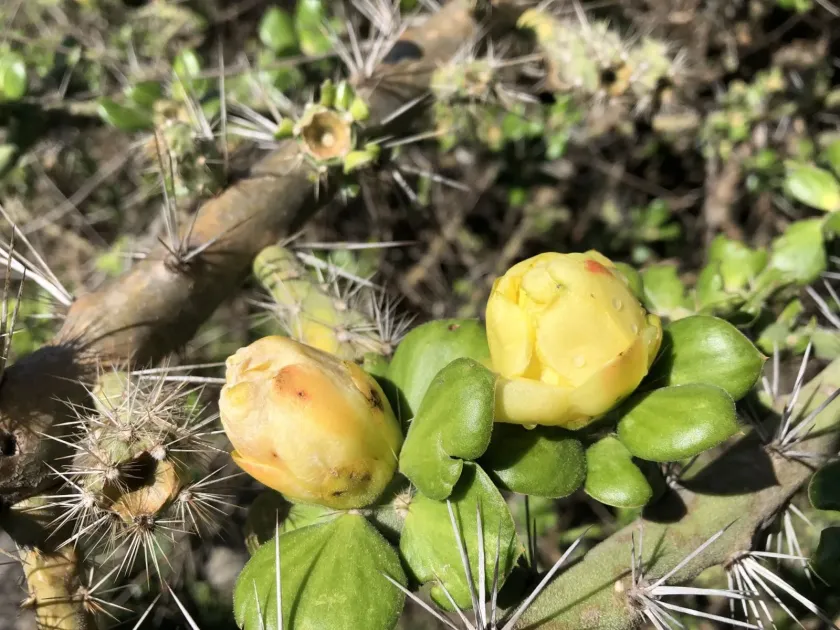
Description
Growing requirements
Pereskiopsis spathulata is a fascinating member of the Cactaceae family, known for its distinct, leaf-bearing stems. Unlike many other cacti, this species retains ancestral characteristics that make it highly vigorous and fast-growing.
Originally native to the tropical and subtropical regions of Mexico and Guatemala, the plant thrives in warm environments with high light intensity. It is widely recognized in agriculture and gardening as an excellent rootstock for grafting rare and slow-growing cactus species.
To ensure optimal growth, the plants require a well-draining, nutrient-rich potting medium. The soil should never remain waterlogged for extended periods, as the roots are highly susceptible to rot if oxygen supply is restricted.
Consistent warmth is non-negotiable for this species, as it does not possess natural mechanisms to withstand sub-zero temperatures. Maintaining an environment above 20 degrees Celsius throughout the year significantly boosts its metabolic rate and grafting success.
High light exposure is essential for maintaining the plant's health and structural integrity. Without sufficient natural or artificial light, the stems become etiolated and fragile, which negatively impacts their ability to support scions during the grafting process.
Main diseases and pests
Mealybugs are the most common pests affecting Pereskiopsis, often hiding in the crevices between leaves and stems, requiring prompt intervention.
Spider mites frequently attack the foliage, especially in environments where humidity levels are kept consistently low or air circulation is poor.
Fungal pathogens causing stem rot are generally the result of excessive moisture combined with low temperatures, which halts the plant's growth.
Aphids can target the soft, growing tips of the plant, causing distortion in leaf development and potentially transmitting viral diseases.
Preventative measures include maintaining strict hygiene in the cultivation area, regular monitoring, and ensuring good spacing between plants to prevent the spread of infestations.