
Oroya peruviana
Oroya peruviana
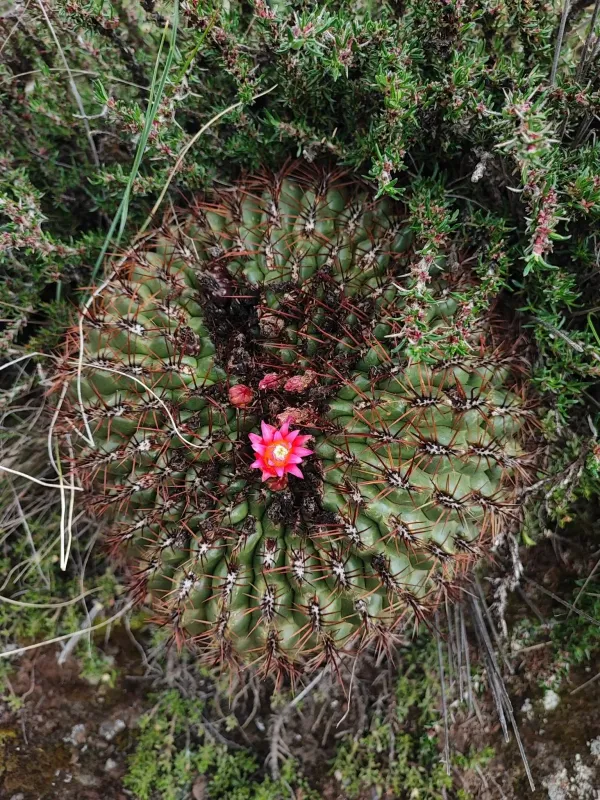
Description
Sowing dates
Oroya peruviana is primarily propagated by seeds, as vegetative reproduction is limited due to the specific botanical growth form of the plant. Sowing should take place in early spring to coincide with increasing daylight.
For optimal germination, use a substrate with a high mineral content, such as coarse sand or perlite. Containers should be covered with glass or clear plastic to maintain consistent humidity levels.
It is crucial to use fresh seeds, as the germination rate declines significantly over time. The temperature during the germination phase must be maintained between 22 and 25 degrees Celsius.
Once seedlings emerge, regular ventilation is essential to prevent the development of mold or fungal diseases. Pricking out young cacti should only be done after they are robust enough and have developed their first spines.
Young plants are particularly sensitive to overwatering, so extreme caution is required during the first stages of growth to prevent rot.
Growing requirements
Oroya peruviana belongs to the Cactaceae family and originates from the high-altitude regions of Peru. It has specific environmental requirements, favoring bright but filtered light throughout the year.
The growing medium must be highly porous with excellent drainage capabilities to prevent water stagnation. Specialized succulent mixes enriched with grit or crushed brick are ideal for this species.
This plant does not tolerate high humidity; therefore, good air circulation within the growing area is vital. A cool winter period is necessary to ensure the plant rests and to encourage subsequent flowering.
Watering should be moderate during the active growing season and significantly reduced or stopped during the winter dormant phase. Waterlogging the soil is the most common cause of plant failure.
Oroya performs best in greenhouse settings where light intensity, temperature, and moisture levels can be meticulously controlled.
Main diseases and pests
The primary threat to the crop is rot, typically caused by improper watering practices and poor soil drainage. Fungal pathogens can rapidly damage the plant's vascular tissue, leading to mortality.
Among pests, the spider mite is the most common nuisance, thriving in conditions where humidity is low and temperatures are elevated. Regular inspections of the stem surface are necessary to detect early infestations.
Root mealybugs also pose a significant risk by damaging the root system, causing the cactus to lose turgor and stop growing. Preventive measures include using sterilized substrates.
Systemic insecticides or acaricides should be used to manage infestations, following product labels strictly. Applications should be performed in the early morning or late evening to avoid skin damage.
Implementing strict quarantine protocols for new plants helps mitigate the spread of pests and diseases within a collection.